What do eight-week meditation programs change? The two most studied are Mindfulness-Based Stress Reduction (MBSR) and Mindfulness-Based Cognitive Therapy (MBCT). Both are group courses of eight weekly classes plus daily practice at home. Dozens of randomized trials have measured them; one 2018 review pooled 142 samples.
A 2014 Johns Hopkins review by Goyal and colleagues pooled 47 trials and 3,515 people. It found moderate evidence of small reductions in anxiety, depression and pain. A 2016 pooled analysis of 9 trials by Kuyken and colleagues found that MBCT lowered the risk of depression returning. The same research found no evidence that the courses beat other active treatments, such as drugs or exercise. A large 2022 brain-scan trial by Kral and colleagues found no structural change. We rate the research Moderate for anxiety, depression and pain.
The sections below report each finding, its size, and how the trials were run.
What are MBSR and MBCT?
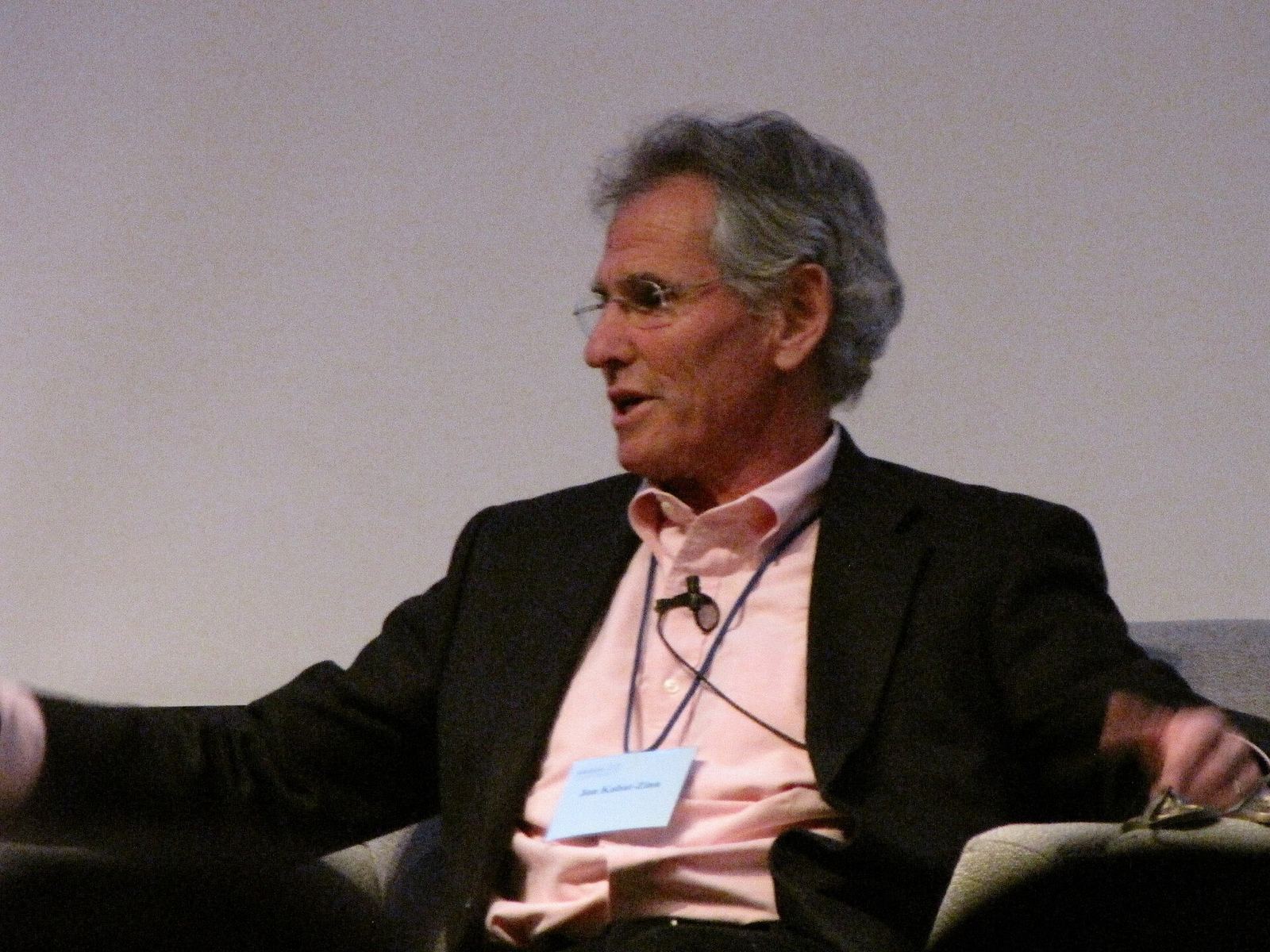
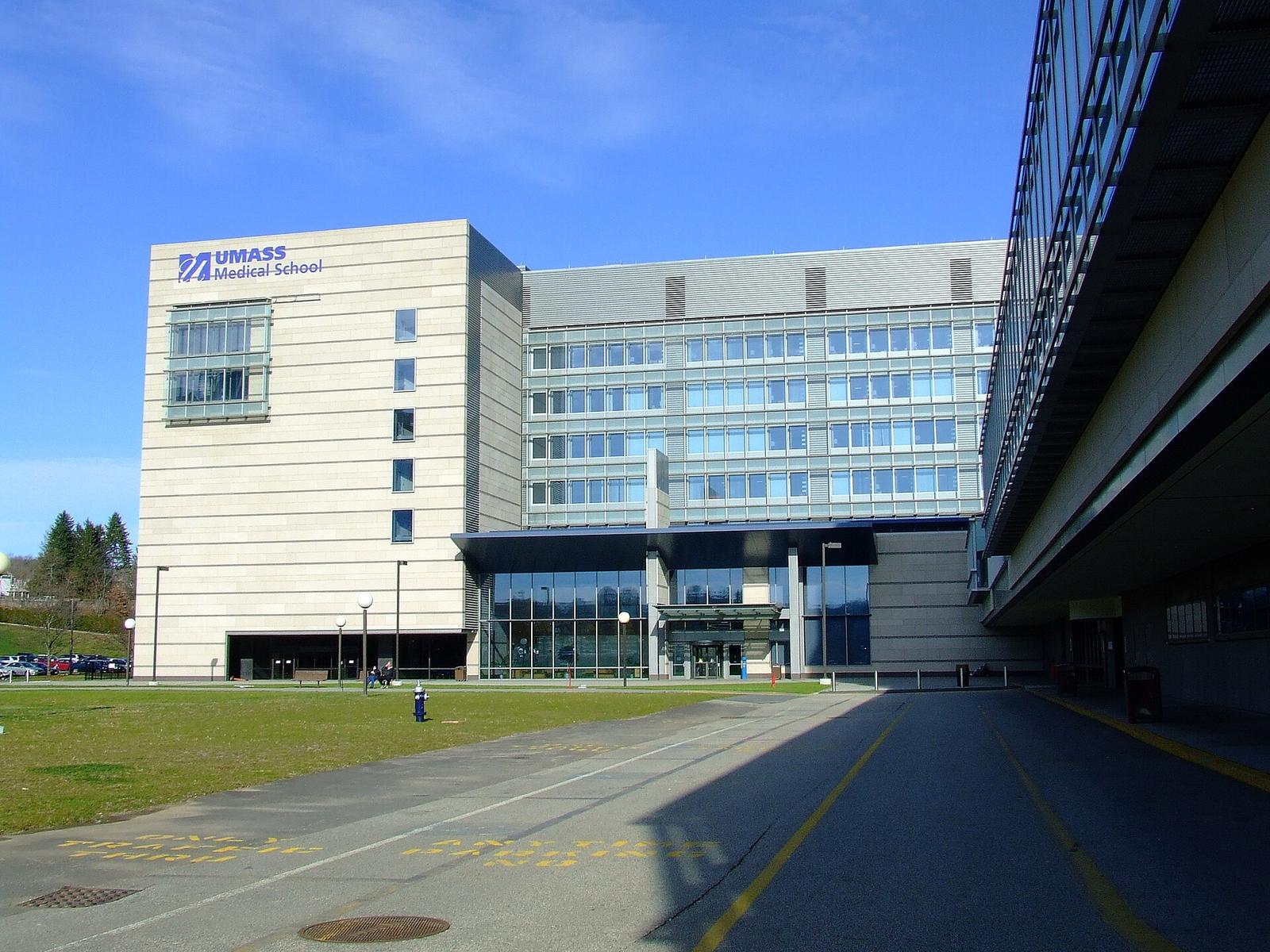
Jon Kabat-Zinn created MBSR in 1979 at the University of Massachusetts medical center in Worcester. It began as a 10-week program for people with chronic pain that usual care had not helped. His first report, in 1982, followed 51 patients with no comparison group. He described the limits of that "uncontrolled study" himself.
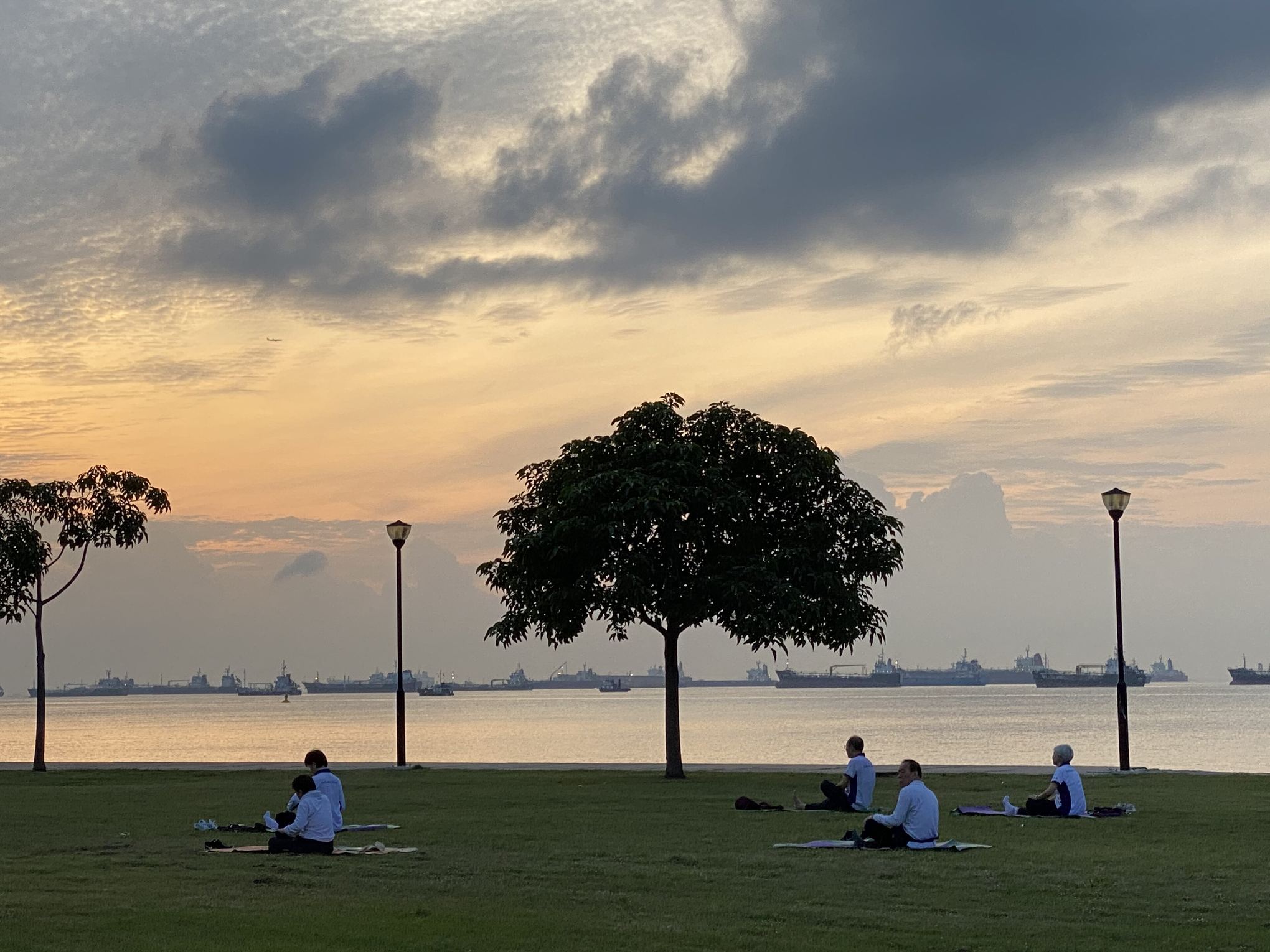
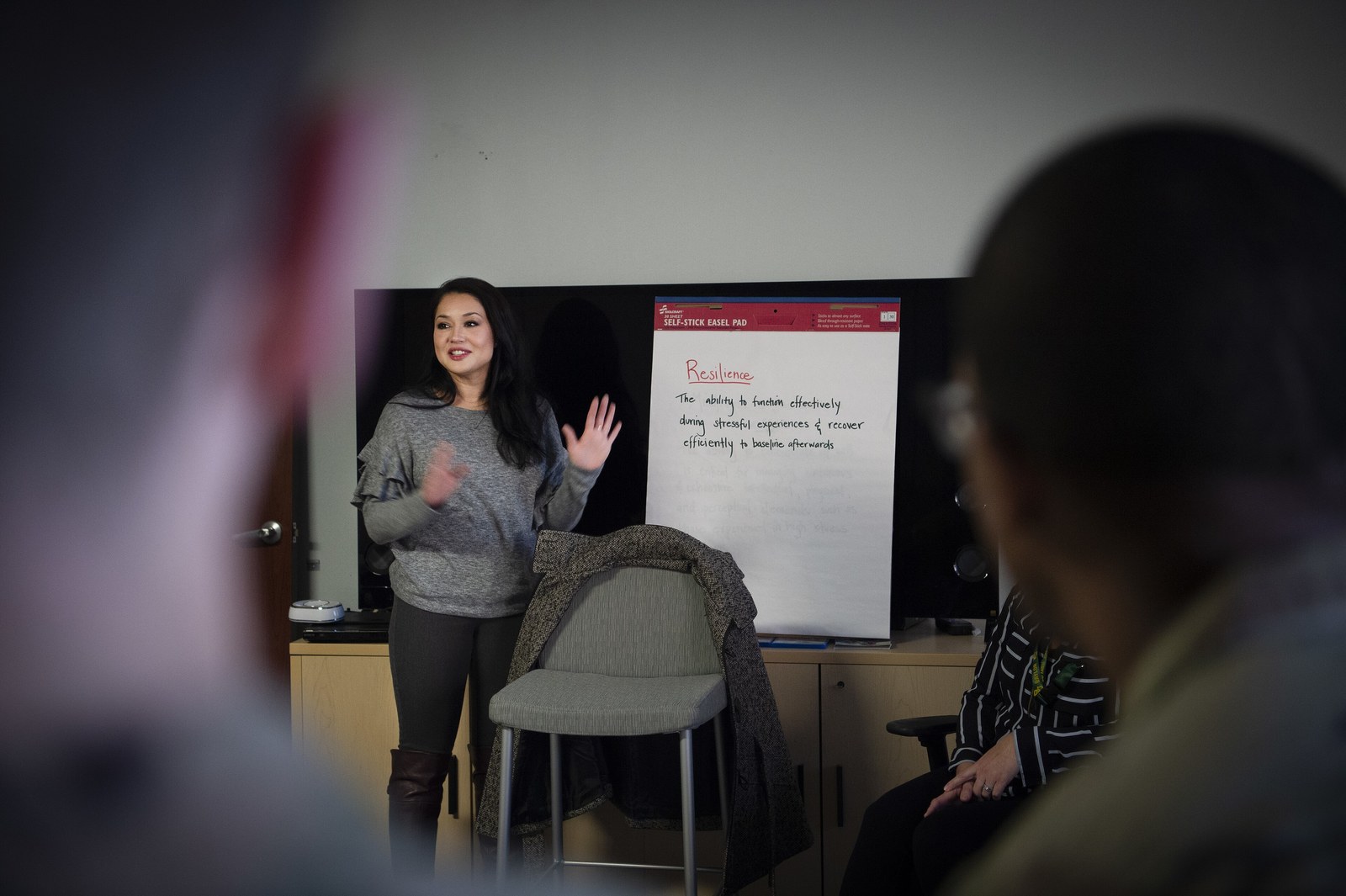
The course is now 8 weeks. UMass Memorial Health, which runs the original program today, lists 8 weekly classes of 2.5 hours each. There is one all-day class, usually between weeks 6 and 7, and 45 to 60 minutes of practice at home each day. Classes are limited to about 35 people. The practices include the body scan, sitting and walking meditation, mindful movement and mindful eating.
In the body scan, a 2023 trial explains, attention moves to one body part at a time to notice how it feels. Kabat-Zinn's 1982 paper described the stance as "detached observation." His account was that this separates the sensation of pain from the alarm that follows it. That is the founder's explanation of how it works, not a measured result.
MBCT was built later by John Teasdale, Zindel Segal and Mark Williams. NICE describes it as a program "specifically designed for people with depression." Its target was narrower: people who had recovered from depression but had been depressed several times before. The aim was to help them step back from the low-mood thinking that tends to start a new episode.
In the UK, the National Institute for Health and Care Excellence (NICE) describes group mindfulness for depression as usually 8 sessions. Groups are usually 8 to 15 people, led by trained practitioners, with recorded practice at home.
What did the trials and reviews find?
Anxiety, depression and stress
The most cited review is Goyal and colleagues, at Johns Hopkins, in 2014. They screened 18,753 papers and kept 47 randomized trials with 3,515 people. Every trial compared meditation with an active control, not just a waiting list.
They found moderate evidence that mindfulness programs improved anxiety, with an effect size of 0.38 at 8 weeks. Depression improved by 0.30 and pain by 0.33. Those are small to moderate effects. The authors summed it up as "small to moderate reductions of multiple negative dimensions of psychological stress." They also found "no evidence that meditation programs were better than any active treatment," such as drugs, exercise or other behavioral therapies.
A larger 2018 review by Goldberg and colleagues pooled 142 samples and 12,005 people with psychiatric conditions. Mindfulness programs beat no treatment by an effect size of 0.55. Against other specific therapies the gap fell to 0.23. Against evidence-based treatments there was no difference at all.
A 2023 trial tested MBSR against a common anxiety medicine. Hoge and colleagues randomized 276 adults with diagnosed anxiety disorders, at three US medical centers. Half took the 8-week course and half took escitalopram, 10 to 20 mg a day. On the main clinician-rated scale, MBSR was "noninferior": no worse, within the margin set in advance. Side effects linked to the study were reported by 78.6% on the medicine and 15.4% on MBSR. The Patient-Centered Outcomes Research Institute funded the trial.
That trial measured one scale at 8 weeks. Of the 276 people, 68 did not finish, and the average age was 33.
Depression coming back
This is where the evidence is strongest. The first MBCT trial, in 2000, followed 145 people who had recovered from recurrent depression for 60 weeks. MBCT reduced relapse in those with 3 or more past episodes. It did not reduce relapse in those with only 2.
In 2016, Kuyken and colleagues pooled the individual records of 1,258 patients from 9 trials. Over 60 weeks, people who took MBCT were less likely to relapse, a hazard ratio of 0.69. Compared with active treatments, including antidepressants, the hazard ratio was 0.79. The effect was larger in people who still had more symptoms before the course. Several authors developed MBCT and earn book royalties or training fees, which the paper declares.
For people at higher risk of relapse, NICE lists group CBT or MBCT as a choice. NICE says to consider it for people who do not wish to continue on antidepressants. We rate this use Strong: a pooled analysis of 9 trials and a national guideline agree.
Pain
Cherkin and colleagues randomized 342 adults with chronic low back pain in 2016. They compared MBSR, cognitive behavioral therapy (CBT) and usual care, with 8 weekly 2-hour groups for the two courses. At 26 weeks, 60.5% in the MBSR group had a meaningful gain in daily function. The figures were 57.7% for CBT and 44.1% for usual care. MBSR and CBT did not differ, and the gains lasted to 52 weeks.
A 2017 RAND review for the US Department of Defense looked at 38 trials of mindfulness for chronic pain. Across 30 of them, it found "low-quality evidence" of a small decrease in pain. Only 7 of the 38 trials reported on safety. Goyal's review graded the pain evidence moderate and RAND's graded it low. Our Moderate rests on Goyal's grading and the 342-person back pain trial.
Sleep
Black and colleagues at UCLA ran a 6-week mindfulness course for 49 older adults with poor sleep in 2015. Sleep quality scores improved more than with sleep-hygiene classes. This was a shorter mindfulness course, not MBSR. A 2019 review of 18 trials with 1,654 people found modest gains against general comparison groups. Against evidence-based sleep treatments, it found low-strength evidence of no difference. We rate sleep Early: modest gains against general comparisons, none against evidence-based sleep treatment.
Healthy people and workplace stress
A 2015 review by Khoury and colleagues gathered 29 studies of MBSR in 2,668 healthy adults. It found large effects on stress and moderate effects on anxiety, depression and quality of life. The effect on burnout was small. That review included studies without randomized controls, and results varied widely. We rate this use Early for that reason.
The body: cortisol, blood pressure and the brain
The stress hormone cortisol and blood pressure are often named as results. The evidence is mixed. A 2017 review by Pascoe and colleagues found lower cortisol and blood pressure, but it pooled programs that included yoga postures. NCCIH, the US National Center for Complementary and Integrative Health, says few high-quality studies have looked at blood pressure. We rate these uses Early.
The best-known brain claim comes from Hölzel and colleagues in 2011. They scanned 16 people before and after MBSR and compared them with a waiting list. They reported more gray matter in regions tied to learning and memory.
In 2022, Kral and colleagues at the University of Wisconsin-Madison tested this in 218 people. They compared MBSR with a waiting list and with a matched health program. They wrote: "We failed to replicate prior findings." They found no evidence that MBSR changed brain structure compared with either group. We rate brain-structure claims Early, with the larger trial negative.
Where are the programs oversold?
The most repeated claim is that eight weeks of meditation grows or rebuilds the brain. It rests on small studies against waiting lists, such as the 16 people in the 2011 study. The largest randomized test, with 218 people and an active comparison, found no structural change. A related claim is that the course shrinks the amygdala. That rests on an exploratory link with practice time in the 2022 trial, not a group result.
A second claim is that mindfulness works as well as medication in general. That was shown for one anxiety scale at 8 weeks, and for relapse in recurrent depression. Across 47 trials, Goyal and colleagues found the programs no better than active treatments.
A third is that the courses lower cortisol and blood pressure. As above, the main positive review mixed in yoga, and NCCIH says high-quality studies are few.
A fourth is that meditation helps focus, mood, weight and habits across the board. Goyal and colleagues found low or insufficient evidence for attention, positive mood, eating, weight and substance use.
A fifth is that it is completely safe and suits everyone. Many trials did not record harms. When one study asked in detail, some people reported lasting bad effects. And the trials screened out several groups of people, as the next sections report.
In 2018, 15 researchers, several of them mindfulness researchers, published "Mind the Hype" in Perspectives on Psychological Science. They wrote that misinformation and poor methods "may lead public consumers to be harmed, misled, and disappointed." They pointed to loose definitions of mindfulness, weak study designs and brain-imaging results reported beyond what they showed.
How were the courses run in the studies?
The trial version of MBSR is close to the public course. In the 2023 anxiety trial, it had weekly 2.5-hour classes and a day-long retreat in week 5 or 6. Home practice was 45 minutes a day. The core practices were breath awareness, the body scan and mindful movement.
People in trials often practiced less than asked. In the 2011 brain study, participants logged 22.6 hours of home practice over 8 weeks, about 27 minutes a day. In the 2022 trial, the average was 32 hours. In the back pain trial, 53.7% attended at least 6 of the 8 sessions.
The courses were led by trained instructors in groups. NICE describes groups of 8 to 15 for depression. UMass lists classes of about 35. We could not find a source that sets out instructor training rules.
The people studied were mostly adults who chose to sign up. In Kuyken's pooled analysis the average age was 47 and 75% were women. In the anxiety trial the average age was 33. UMass lists its 8-week online course at $650, with a lower price for some health plan members.
The trials also chose who could not take part. The 2023 anxiety trial excluded people with bipolar disorder, psychotic disorders or OCD at any time. It also excluded people with current eating disorders, PTSD, substance use disorders or significant suicidal thoughts. A 2021 MBCT study screened out a similar list, plus severe current depression and current psychotherapy. Its authors noted that their volunteers were "carefully screened." The authors wrote that the results may not apply to people required to attend by a school or employer.
The comparison groups matter for every number above. Effects were largest against waiting lists and no treatment. They shrank against health education, exercise or other therapies. That pattern runs through the Goyal, Goldberg and sleep reviews.
What do the warnings say?
Harms have been studied less than benefits. A 2020 review by Farias and colleagues pooled 83 studies of 6,703 people. It found adverse events in 8.3% overall: 3.7% in experimental studies and 33.2% in observational ones. The most common were anxiety, depression and unusual thoughts or perceptions. They occurred in some people with no past mental health problems.
In 2021, Britton and colleagues at Brown University interviewed 96 people after an 8-week MBCT course, asking about 44 kinds of effect. Lasting bad effects occurred in 6 to 14%. They were tied to signs of overarousal and dissociation, a sense of being detached from oneself.
NCCIH says meditation is usually considered low risk, but "it isn't possible to make definite statements about safety." If you are thinking about suicide or are worried about someone, call or text 988 (US) to reach the 988 Suicide & Crisis Lifeline.
Questions to Ask Your Doctor
- Would an eight-week group course fit alongside my current treatment for anxiety or depression?
- I have had depression more than twice; is MBCT relevant to my relapse risk?
- Do I have a condition, such as PTSD or bipolar disorder, that these trials screened out?
- What should I do if a practice makes me feel worse or detached?
- Should I keep taking my medicine if I start a mindfulness course?
Questions People Ask
What is the difference between MBSR and MBCT?
Both are 8-week group courses built on the same meditation practices. MBSR was made for stress, pain and illness in general. MBCT adds ideas from cognitive therapy and was designed for people who have recovered from repeated depression. The strongest evidence for either is MBCT's effect on depression coming back.
Is MBSR as good as antidepressants?
For anxiety disorders, one 2023 trial of 276 adults found MBSR no worse than escitalopram on a clinician's rating at 8 weeks. For recurrent depression, the 2016 pooled analysis found MBCT lowered relapse compared with other treatments, including antidepressants. Neither result shows that it replaces medicine for everyone. NICE frames MBCT as an option for people who prefer not to continue antidepressants.
Does meditation change the brain in 8 weeks?
A 2011 study of 16 people reported more gray matter after MBSR. A 2022 study of 218 people, with a matched active comparison group, found no structural change after MBSR. Its authors described the earlier studies as having "major methodological limitations." Brain function studies are a separate question that this article does not grade.
How much home practice did the trials ask for?
The trial version asked for 45 minutes of home practice a day. People often did less. In one brain study the average was about 27 minutes a day. In the 2022 trial, more practice went with a small change in one brain region, but this was exploratory. We found no study that set a minimum amount of practice.
Can I do it online or from an app?
UMass now teaches its 8-week course over video calls. The trials described here, such as the 2023 anxiety trial and the back pain trial, ran groups led by instructors. Apps and self-guided courses are a different format, and the reviews above do not tell us whether they produce the same results.
Other articles in the Spiritual hub: Reiki sessions (Energy Work), lucid dreaming in the sleep lab (Mind Expansion) and forest bathing (Earth-Based). All four sub-hubs are on the Spiritual Wellness page.
Pictures and credits
In pictures




Where this comes from
Sources
- Goyal M, Singh S, Sibinga EM, et al. Meditation programs for psychological stress and well-being: a systematic review and meta-analysis. JAMA Internal Medicine, 2014. 47 trials, 3,515 people; moderate evidence for anxiety (0.38), depression (0.30), pain (0.33); low or insufficient for attention, mood, weight and others; no better than active treatments
- Kuyken W, Warren FC, Taylor RS, et al. Efficacy of Mindfulness-Based Cognitive Therapy in Prevention of Depressive Relapse: An Individual Patient Data Meta-analysis From Randomized Trials. JAMA Psychiatry, 2016. 9 trials, 1,258 patients; relapse hazard ratio 0.69, 0.79 against active treatments; mean age 47, 75% women; declared author interests
- Goldberg SB, Tucker RP, Greene PA, et al. Mindfulness-based interventions for psychiatric disorders: A systematic review and meta-analysis. Clinical Psychology Review, 2018. 142 samples, 12,005 people; d 0.55 against no treatment, 0.23 against specific active controls, no difference against evidence-based treatments
- Hoge EA, Bui E, Mete M, et al. Mindfulness-Based Stress Reduction vs Escitalopram for the Treatment of Adults With Anxiety Disorders: A Randomized Clinical Trial. JAMA Psychiatry, 2023. 276 adults; MBSR noninferior to escitalopram; adverse events 78.6% vs 15.4%; the trial protocol; exclusions; PCORI funding
- Teasdale JD, Segal ZV, Williams JM, et al. Prevention of relapse/recurrence in major depression by mindfulness-based cognitive therapy. Journal of Consulting and Clinical Psychology, 2000. 145 recovered patients, 60 weeks; relapse reduced with 3 or more past episodes, not with 2; the purpose of MBCT
- Depression in adults: treatment and management (NG222), Recommendations. National Institute for Health and Care Excellence, 2022. Group mindfulness: usually 8 sessions, 8 to 15 people; MBCT as an option for relapse prevention for people who do not wish to continue antidepressants
- Cherkin DC, Sherman KJ, Balderson BH, et al. Effect of Mindfulness-Based Stress Reduction vs Cognitive Behavioral Therapy or Usual Care on Back Pain and Functional Limitations in Adults With Chronic Low Back Pain. JAMA, 2016. 342 adults; function improved in 60.5% MBSR, 57.7% CBT, 44.1% usual care at 26 weeks; attendance 53.7%
- Hilton L, Hempel S, Ewing BA, et al. Mindfulness Meditation for Chronic Pain: Systematic Review and Meta-analysis. Annals of Behavioral Medicine, 2017. 38 trials; low-quality evidence of a small decrease in pain; 7 of 38 reported safety; Department of Defense funding
- Black DS, O'Reilly GA, Olmstead R, Breen EC, Irwin MR. Mindfulness meditation and improvement in sleep quality and daytime impairment among older adults with sleep disturbances: a randomized clinical trial. JAMA Internal Medicine, 2015. 49 older adults, 6-week course; sleep quality better than sleep hygiene education
- Rusch HL, Rosario M, Levison LM, et al. The effect of mindfulness meditation on sleep quality: a systematic review and meta-analysis of randomized controlled trials. Annals of the New York Academy of Sciences, 2019. 18 trials, 1,654 people; gains against general controls, no difference against evidence-based sleep treatments
- Khoury B, Sharma M, Rush SE, Fournier C. Mindfulness-based stress reduction for healthy individuals: A meta-analysis. Journal of Psychosomatic Research, 2015. 29 studies, 2,668 healthy adults; large effect on stress, small on burnout; non-randomized studies included
- Pascoe MC, Thompson DR, Ski CF. Yoga, mindfulness-based stress reduction and stress-related physiological measures: A meta-analysis. Psychoneuroendocrinology, 2017. Cortisol and blood pressure reductions in pooled programs that included yoga postures
- Holzel BK, Carmody J, Vangel M, et al. Mindfulness practice leads to increases in regional brain gray matter density. Psychiatry Research: Neuroimaging, 2011. 16 people vs a waiting list; reported gray matter increases; 22.6 hours of home practice; course structure
- Kral TRA, Davis K, Korponay C, et al. Absence of structural brain changes from mindfulness-based stress reduction: Two combined randomized controlled trials. Science Advances, 2022. 218 people; failed to replicate; no structural change against either control; 32 hours practice; exploratory amygdala finding
- Van Dam NT, van Vugt MK, Vago DR, et al. Mind the Hype: A Critical Evaluation and Prescriptive Agenda for Research on Mindfulness and Meditation. Perspectives on Psychological Science, 2018. Criticism of definitions, methods and brain-imaging claims; harmed, misled and disappointed
- Farias M, Maraldi E, Wallenkampf KC, Lucchetti G. Adverse events in meditation practices and meditation-based therapies: a systematic review. Acta Psychiatrica Scandinavica, 2020. 83 studies, 6,703 people; adverse events 8.3% overall, 3.7% experimental, 33.2% observational
- Britton WB, Lindahl JR, Cooper DJ, Canby NK, Palitsky R. Defining and measuring meditation-related adverse effects in mindfulness-based programs. Clinical Psychological Science, 2021. 96 people after MBCT; lasting bad effects in 6 to 14%; exclusions; carefully screened volunteers
- Meditation and Mindfulness: Effectiveness and Safety. National Center for Complementary and Integrative Health, 2022. Few high-quality blood pressure studies; usually low risk but no definite statements about safety
- Kabat-Zinn J. An outpatient program in behavioral medicine for chronic pain patients based on the practice of mindfulness meditation. General Hospital Psychiatry, 1982. The original 10-week program, 51 patients, uncontrolled; the founder's account of detached observation
- Mindfulness-Based Stress Reduction (MBSR). UMass Memorial Health, Center for Mindfulness. The course as offered today: 8 classes of 2.5 hours, an all-day class, 45 to 60 minutes of home practice, about 35 per class, online
- Tuition, Discounts and Refunds. UMass Memorial Health, Center for Mindfulness. The $650 tuition for the 8-week online course
The Healing Spot reports published research for general information. It is not medical advice and does not replace a doctor, who knows your history. Talk to a qualified clinician before you start, stop or change any treatment, supplement or practice. If you think you may have a medical emergency, call 911 or your local emergency number.