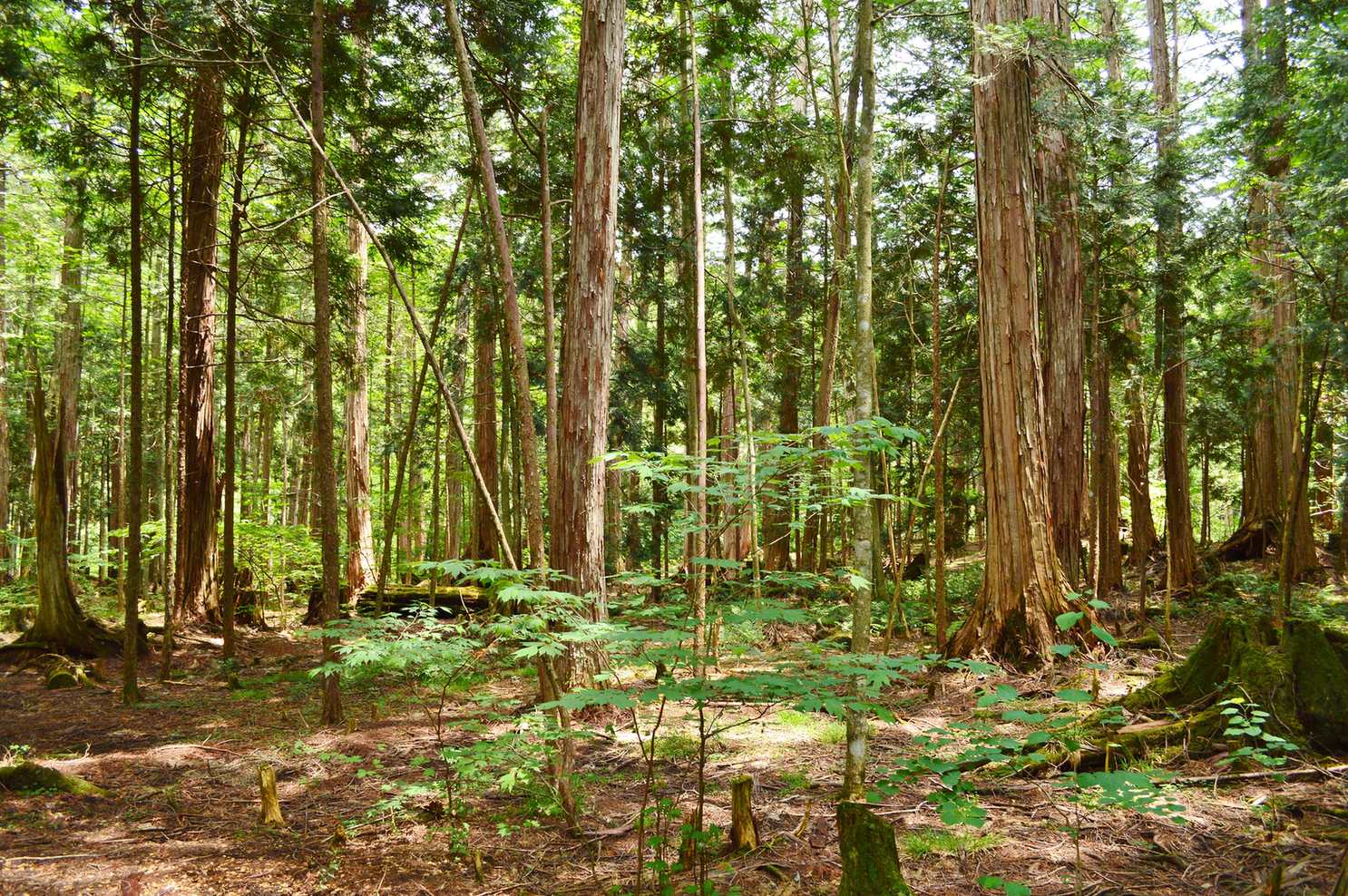
What does forest bathing do, according to the studies? Forest bathing, or shinrin-yoku, is slow, quiet time spent in a forest. Researchers have measured it mostly in Japan, Korea and China, and the clearest results are small, short-term changes in stress measures.
A 2017 meta-analysis pooled 20 trials and 732 people. Systolic blood pressure was about 3 mmHg lower after forest time than after comparison settings. A 2019 meta-analysis found lower saliva cortisol, a stress hormone, in forest groups. A 2017 review of 6 randomized trials rated all of them at high risk of bias. They were small and could not be blinded.
We rate the research Moderate for short-term blood pressure and stress measures, and Early for claims about immunity. It is Moderate, not Strong, because reviewers rated most trials at high risk of bias and measured only hours after one visit. The sections below report what was measured, in whom, and for how long.
What is forest bathing, and where did it start?
The term shinrin-yoku dates from 1982. Park and colleagues (2010) credit Japan's Ministry of Agriculture, Forestry and Fisheries. One of them, Yoshifumi Miyazaki, names Tomohide Akiyama, then director of the Japan Forestry Agency. Miyazaki says the agency wanted people to visit Japan's forests and relax.
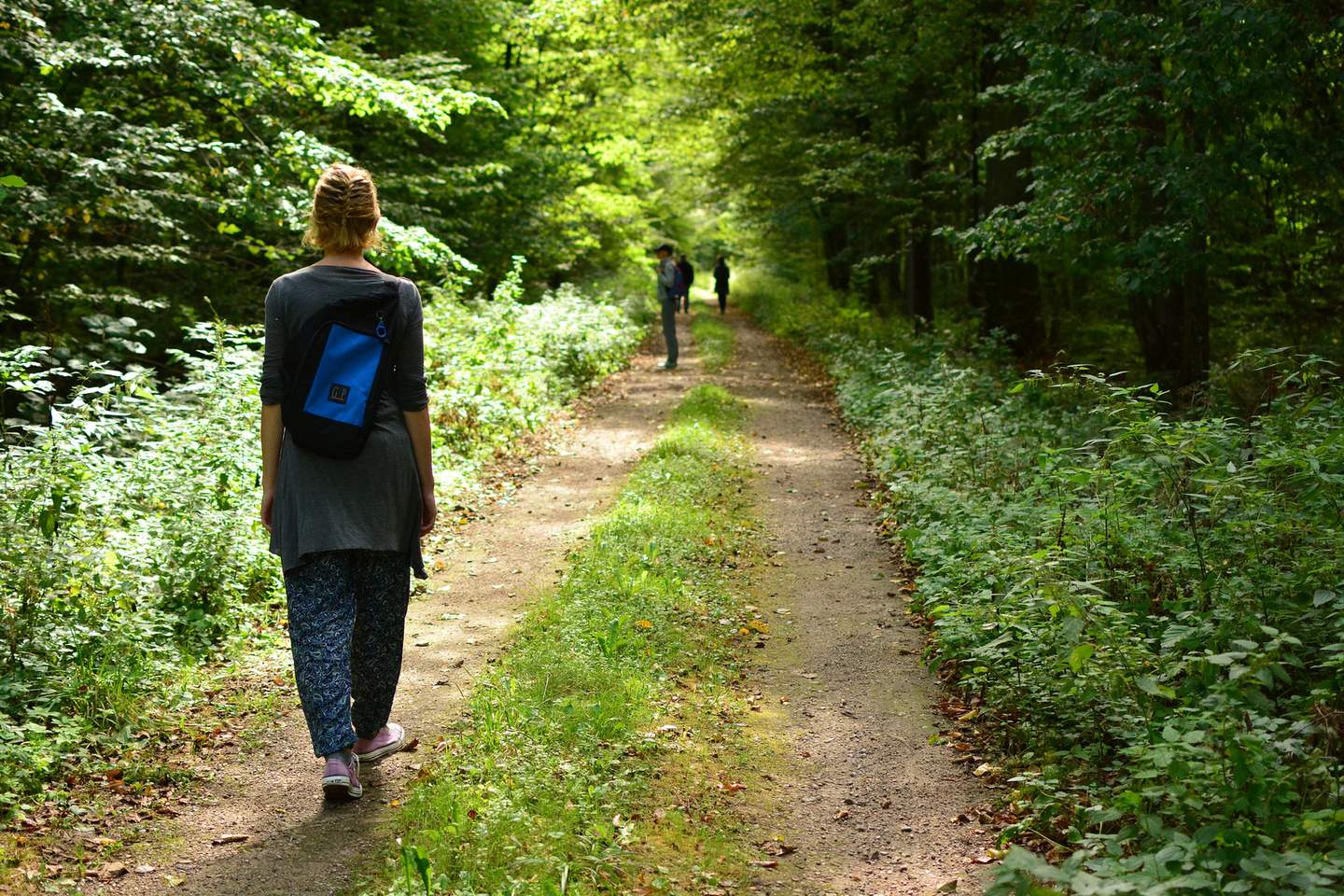
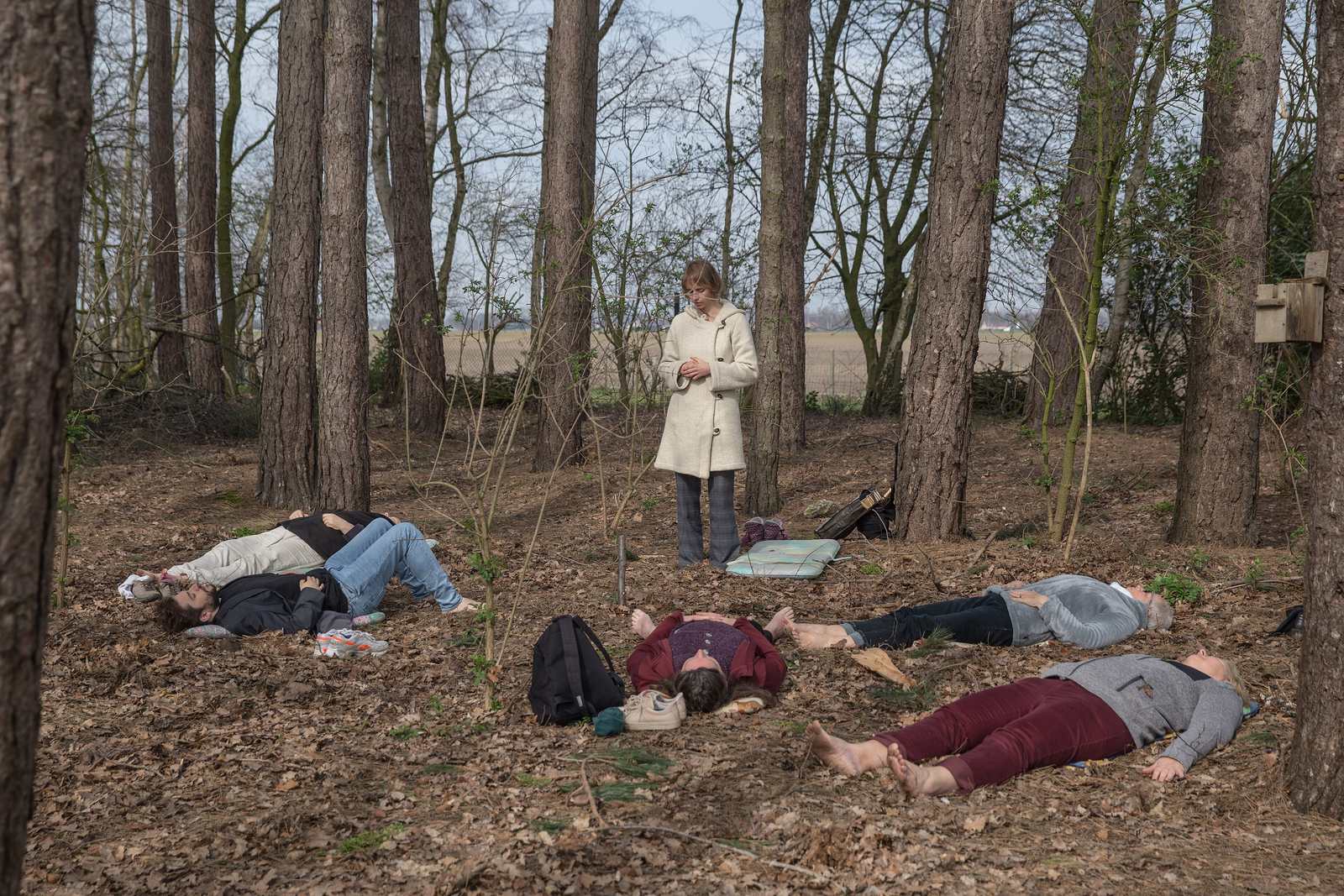
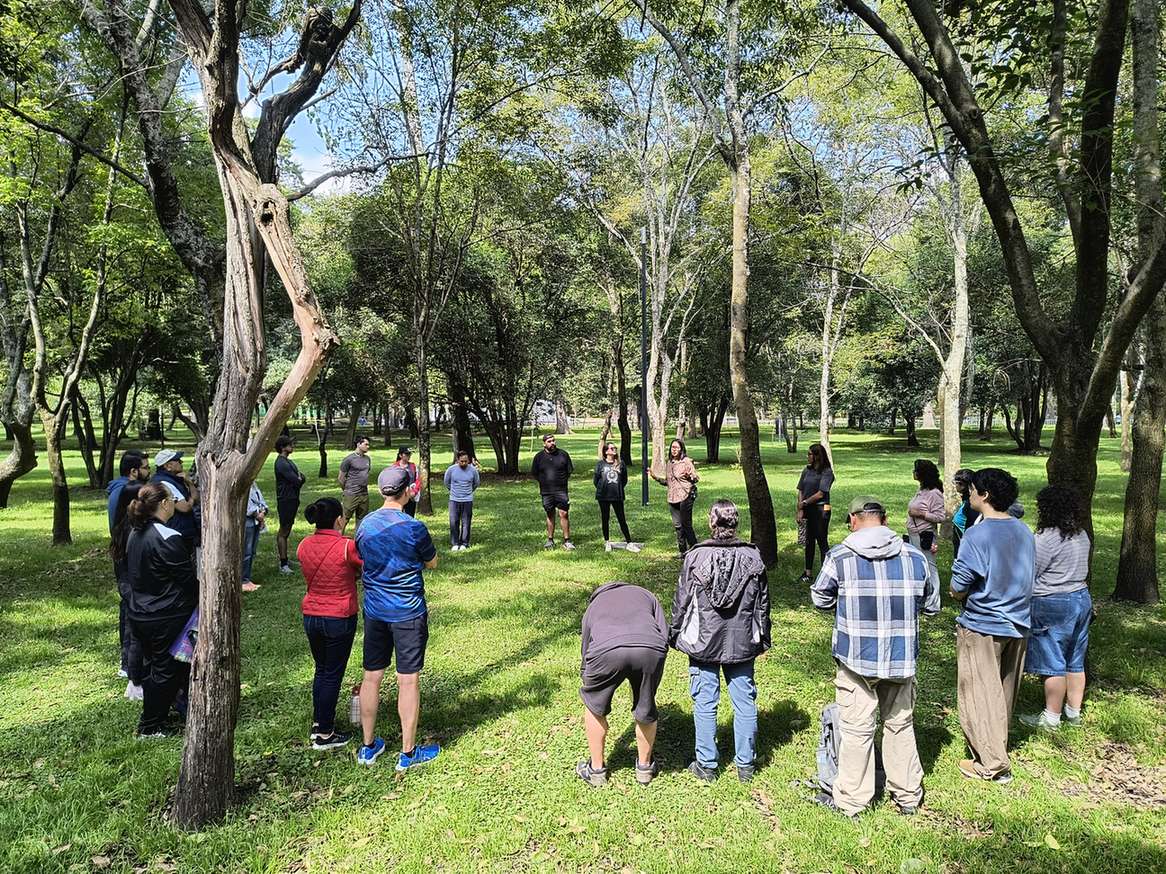
Park and colleagues gave a definition in 2010: "making contact with and taking in the atmosphere of the forest." The US Forest Service says it is not a hike. It describes walking slowly, with no destination, using all the senses. Its 2024 feature says a trained guide leads and electronics are left behind.
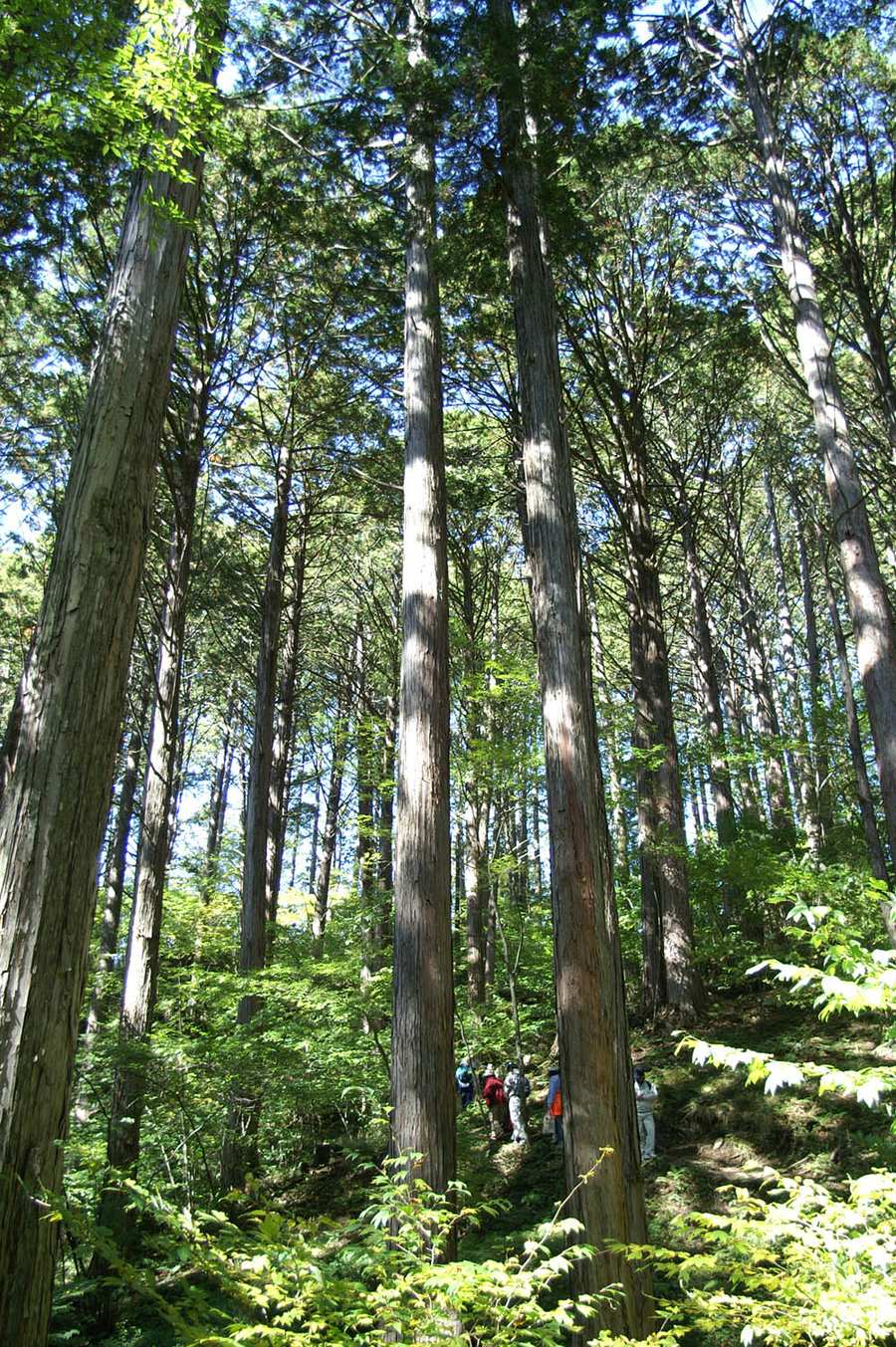
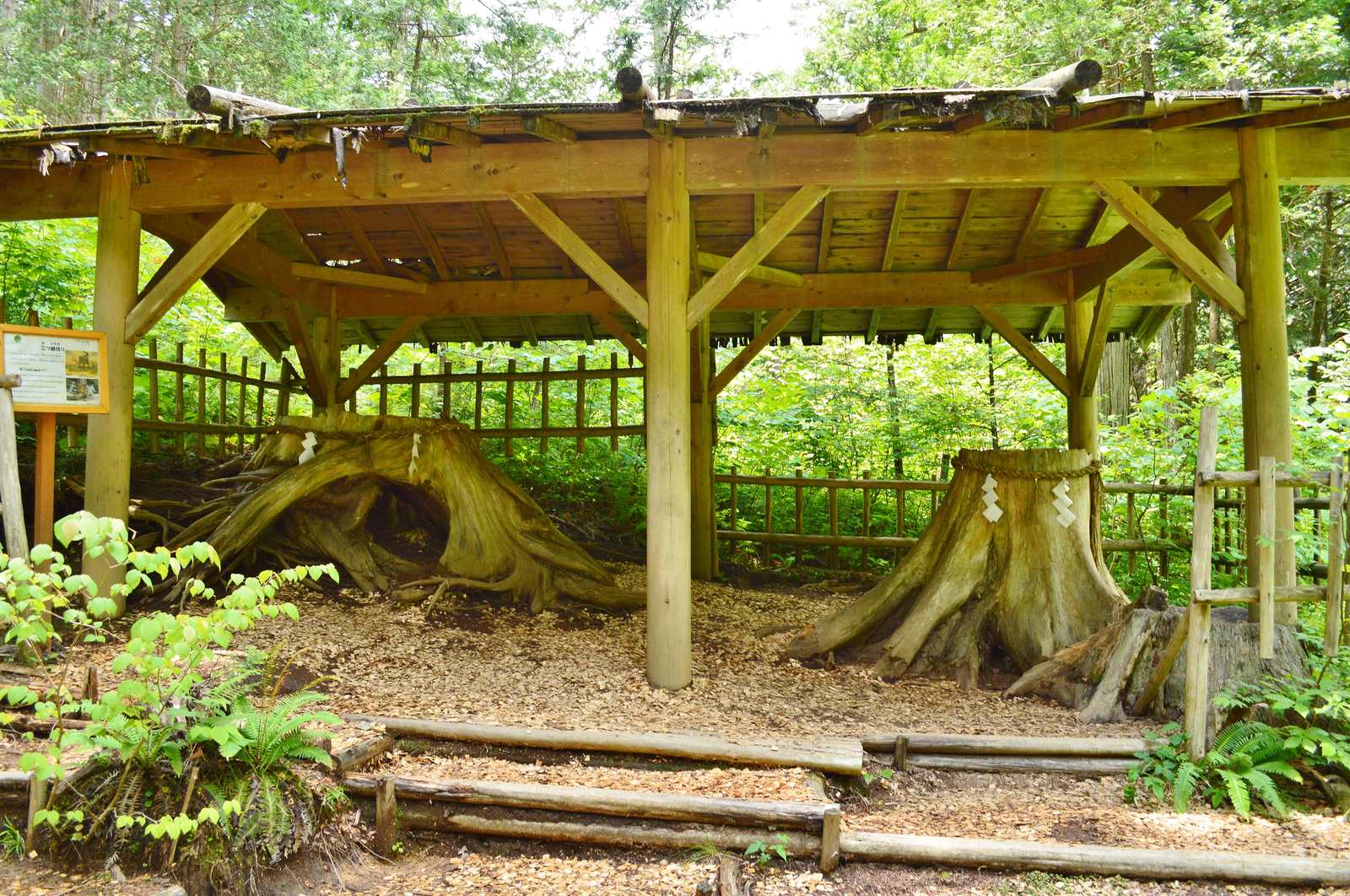
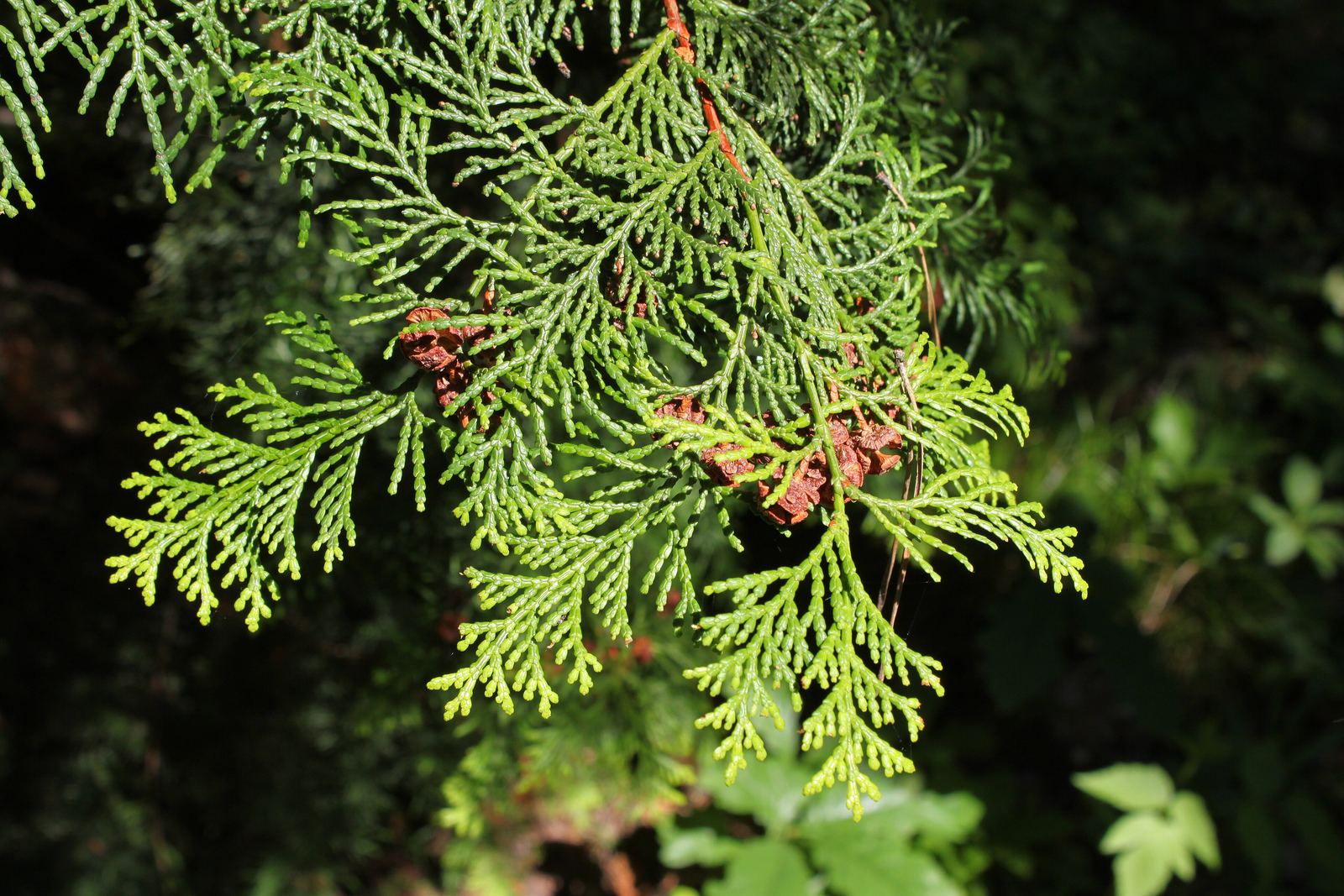
Akasawa Natural Recreation Forest is in Nagano. Japan's Forestry Agency calls it "the birthplace of shinrin-yoku relaxation." It is known for groves of Japanese cypress, or hinoki, about 300 years old. A Japanese nonprofit, the Forest Therapy Society, certifies forests. It lists more than 50 "Forest Therapy Bases." Each one must show relaxing effects in scientific testing by a forest medicine expert.
What did the studies measure?
Stress measures in young men. The best-known field study, Park and colleagues in 2010, took 280 male university students to 24 forests across Japan. Their average age was 21.7. Each spent one day in a forest and one in a city. The forest time was short: about 16 minutes of walking and 14 minutes of sitting. In the forest, cortisol, pulse and blood pressure were lower, and heart rate measures showed more rest-and-digest activity. Japan's education ministry funded part of the work.
Blood pressure. Ideno and colleagues pooled 20 trials with 732 people in 2017. Seventeen trials were in Japan. Systolic pressure averaged 3.15 mmHg lower and diastolic 1.75 mmHg lower. The drop was larger in people starting at 130 mmHg or above, about 6 mmHg. The authors noted that most trials measured only the hours right after one visit. One 3-day program found no difference at 8 weeks.
A 2023 meta-analysis by Qiu and colleagues pooled 21 blood pressure studies of city residents. Its averages also favored the forest, by about 3 mmHg. The results varied widely between studies, and the authors wrote that this "may not exclude adverse results."
Cortisol. Antonelli and colleagues pooled 8 studies in 2019. Cortisol was lower in forest groups after the walk. It was also lower before the walk began. The authors wrote that "anticipated placebo effects can play an important role."
Mood. Kotera and colleagues reviewed 20 studies from Asia and Europe. They concluded that shinrin-yoku "can be effective in reducing mental health symptoms in the short term." They added: "particularly anxiety." They rated the risk of bias medium to high and found signs of publication bias in almost every analysis.
Immune cells. Qing Li, of Nippon Medical School, measured natural killer (NK) cells, part of the immune system. His groups had 12 or 13 healthy adults each. In a 2008 study, 12 men took a 3-day forest trip and a matched city trip. NK activity rose after the forest trip, lasted more than 7 days, and did not rise after the city trip. We rate this Early: small groups, blood markers only, and no illness measured.
Where is forest bathing oversold?
The most common claim is that forest bathing "boosts immunity" or helps fight cancer. The evidence behind it is NK-cell blood counts in groups of 12 or 13 healthy Japanese adults. No study we found measured infections, cancer or any other illness. Li's own 2010 review said forest trips "may have a preventive effect on cancer." That is a hypothesis, not a finding.
A second claim is that one trip keeps immunity raised for a month. The trial reports said the rise lasted at least 7 days. The 30-day figure appears in Li's review, not in the trial abstracts we read.
A third claim names tree oils called phytoncides, such as pinene, as the active ingredient. In a 2009 study, 12 men slept 3 nights in a hotel room with cypress oil in the air. Their NK activity rose. The authors wrote only that phytoncides "may partially contribute."
Finally, the blood pressure and mood results are sometimes presented as a treatment. The pooled changes were a few mmHg, measured minutes to hours after one visit, mostly in healthy young men. Oh and colleagues reviewed 6 randomized trials in 2017. They judged the evidence "insufficient to establish clinical practice guidelines."
What did the forest programs involve?
The programs ranged from a few minutes to several days. In the Park study, people walked about 16 minutes and sat looking at the forest for about 14 minutes. The Kotera review counted programs lasting from 15 minutes to 9 days. They included walking, breathing exercises, yoga and meditation.
The NK-cell trips ran 3 days and 2 nights, with three walks of about 2 hours each. At Akasawa, the local tourism office lists forest walks of about 100 to 180 minutes. Its guided walks run 120 to 150 minutes.
Most participants were healthy. The Park study took men with no history of physical or psychiatric illness. In the Ideno meta-analysis, 445 of the 732 people were male students. The Ideno authors did not account for blood pressure medicine.
The comparison was usually a city walk or a day at work, not another relaxing activity. Oh and colleagues noted that no trial controlled for social contact, physical activity or setting. So, by Oh and colleagues' account, the studies cannot separate the trees from the walk or the break.
What do the warnings say?
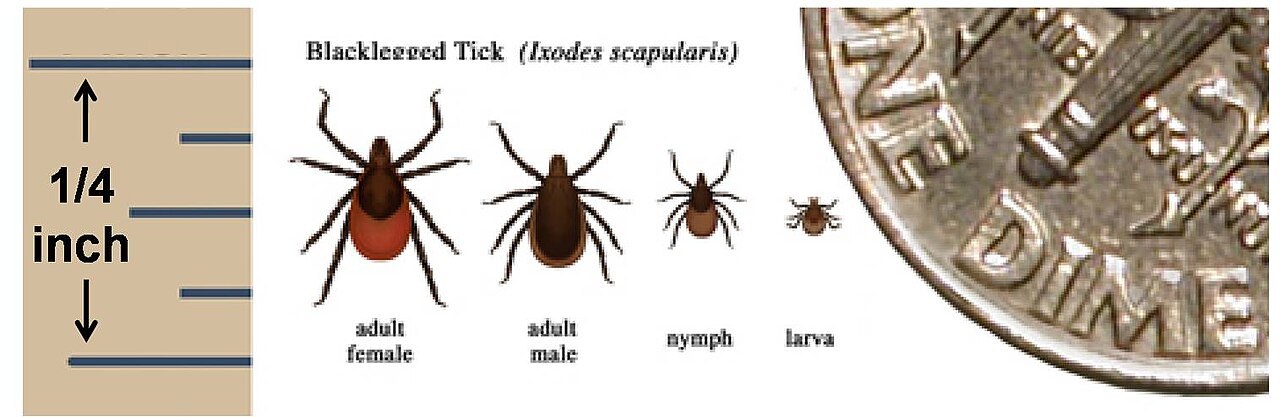
Oh and colleagues found that none of the 6 trials they reviewed reported adverse events. That does not mean harms were looked for closely. The risk we found documented by a health agency is ticks. The CDC says ticks live in grassy, brushy or wooded areas. Its advice is to walk in the center of trails and use an EPA-registered repellent. It also advises a full-body tick check and a shower within 2 hours of coming indoors. Lyme disease, spread by blacklegged ticks, is most common in the US Northeast, mid-Atlantic and upper Midwest.
Questions to Ask Your Doctor
- Is a small, short-term drop in blood pressure meaningful for me?
- Should time outdoors change how often I check my blood pressure at home?
- What tick-bite signs should make me call you after a walk in the woods?
- Could my medicines make heat or long walks harder for me?
Questions People Ask
How long is a forest bathing session?
The studies varied widely. The large Japanese field study used about 30 minutes in total, half walking and half sitting. The immune-cell trips lasted 3 days. Qiu and colleagues found that programs of 20 minutes or more showed larger blood pressure effects than shorter ones. At Akasawa, published walks last about 100 to 180 minutes.
Is forest bathing different from a walk in a park?
In practice, it is slower and has no goal or distance. Few trials compared it with an equally relaxing walk somewhere else. Most compared it with a city walk or a normal workday. The reviews we read found no trial testing a guided program against a self-guided walk. So the research cannot yet say whether the guided form adds anything.
What are phytoncides?
Phytoncides are oils that trees and plants give off, such as alpha-pinene and beta-pinene. Li and colleagues found these compounds in forest air and almost none in city air. In their hotel study, breathing vaporized cypress oil was linked to higher NK activity. That study had 12 men and measured blood markers, not health outcomes.
Does it work outside Japan?
Most trials were run in Japan, Korea and China. Kotera and colleagues found larger effects in Japanese and other Asian participants than in European ones. A 2017 review by Hansen and colleagues called for long-term research worldwide. Programs now run in the US and Europe, but those settings have far fewer trials.
More on practices studied in the Spiritual hub: Spiritual Wellness and what eight-week meditation programs were found to change.
Pictures and credits
In pictures







Where this comes from
Sources
- Ideno Y, Hayashi K, Abe Y, et al. Blood pressure-lowering effect of Shinrin-yoku (Forest bathing): a systematic review and meta-analysis. BMC Complementary and Alternative Medicine, 2017. 20 trials, 732 people; systolic -3.15 mmHg, diastolic -1.75 mmHg; larger drop at 130 mmHg or above; most trials immediate effects; no difference at 8 weeks in one program
- Antonelli M, Barbieri G, Donelli D. Effects of forest bathing (shinrin-yoku) on levels of cortisol as a stress biomarker: a systematic review and meta-analysis. International Journal of Biometeorology, 2019. 8 studies pooled; cortisol lower after and before the walk; anticipated placebo effects
- Qiu Q, Yang L, He M, et al. The Effects of Forest Therapy on the Blood Pressure and Salivary Cortisol Levels of Urban Residents: A Meta-Analysis. International Journal of Environmental Research and Public Health, 2023. 21 blood pressure studies; about 3 mmHg average; wide variation; programs of 20 minutes or more showed larger effects
- Kotera Y, Richardson M, Sheffield D. Effects of Shinrin-Yoku (Forest Bathing) and Nature Therapy on Mental Health: a Systematic Review and Meta-analysis. International Journal of Mental Health and Addiction, 2022. 20 studies; short-term reductions, particularly anxiety; medium to high risk of bias; publication bias; programs 15 minutes to 9 days; larger effects in Asian participants
- Oh B, Lee KJ, Zaslawski C, et al. Health and well-being benefits of spending time in forests: systematic review. Environmental Health and Preventive Medicine, 2017. 6 randomized trials, all high risk of bias; no adverse events reported; no control for social contact or activity; evidence insufficient for guidelines
- Park BJ, Tsunetsugu Y, Kasetani T, Kagawa T, Miyazaki Y. The physiological effects of Shinrin-yoku (taking in the forest atmosphere or forest bathing): evidence from field experiments in 24 forests across Japan. Environmental Health and Preventive Medicine, 2010. 280 male students, 24 forests, forest vs city; about 16 minutes walking and 14 sitting; lower cortisol, pulse, blood pressure; the definition and the 1982 term
- Li Q, Morimoto K, Kobayashi M, et al. Visiting a forest, but not a city, increases human natural killer activity and expression of anti-cancer proteins. International Journal of Immunopathology and Pharmacology, 2008. 12 men, 3-day forest and city trips; NK activity rose after the forest trip for more than 7 days; phytoncides in forest air
- Li Q, Kobayashi M, Wakayama Y, et al. Effect of phytoncide from trees on human natural killer cell function. International Journal of Immunopathology and Pharmacology, 2009. 12 men, 3 nights in a hotel room with cypress oil; NK activity rose; may partially contribute
- Li Q. Effect of forest bathing trips on human immune function. Environmental Health and Preventive Medicine, 2010. The author's review: the 30-day figure and the cancer hypothesis (what was claimed, not shown)
- Hansen MM, Jones R, Tocchini K. Shinrin-Yoku (Forest Bathing) and Nature Therapy: A State-of-the-Art Review. International Journal of Environmental Research and Public Health, 2017. 64 studies reviewed; call for long-term research worldwide
- Miyazaki Yoshifumi Explores the Healing Power of the Forest. Nippon.com. The 1982 term credited to Tomohide Akiyama of the Japan Forestry Agency; why the agency promoted it
- Akasawa Recreation Forest. Forestry Agency, Ministry of Agriculture, Forestry and Fisheries (Japan). Akasawa as the birthplace of shinrin-yoku relaxation; 300-year-old hinoki groves
- Akasawa Natural Recreation Forest. Agematsu tourism (kiso-hinoki.jp). Walks of about 100 to 180 minutes; guided walks of 120 to 150 minutes
- Forests (certified Forest Therapy Bases and Roads). Forest Therapy Society. More than 50 certified bases; certification by scientific testing
- Holifield S. Soothing the soul. USDA Forest Service, 2024. Description of a session: slow walking, all the senses, a guide, no electronics, no destination
- Preventing Tick Bites. Centers for Disease Control and Prevention. Where ticks live and the CDC's prevention steps
- About Lyme Disease. Centers for Disease Control and Prevention. Lyme disease spread by blacklegged ticks; where it is most common
The Healing Spot reports published research for general information. It is not medical advice and does not replace a doctor, who knows your history. Talk to a qualified clinician before you start, stop or change any treatment, supplement or practice. If you think you may have a medical emergency, call 911 or your local emergency number.