
What does the research say about sexual health? The large national surveys agree on one thing above all: sexual problems are common. Britain's third national sex survey is called Natsal-3. In it, 41.6% of sexually active men and 51.2% of sexually active women reported a sexual problem in the past year. A US survey of 31,581 women found that 43.1% reported a sexual problem.
Far fewer people were distressed by it. In Natsal-3, about 1 in 10 people said they were distressed about their sex life. In the US survey, 12.0% of women had both a problem and distress about it. These surveys used large national samples, and they point the same way. This overview reports what they and the health agencies found, and links to our articles on each part.
What is sexual health?
The World Health Organization (WHO) uses a working definition first set out in 2006. It describes sexual health as "a state of physical, emotional, mental and social well-being in relation to sexuality." The WHO adds that it is more than the absence of disease. It includes a positive and respectful approach to sexuality and relationships. It includes the possibility of pleasurable and safe sexual experiences, free of coercion, discrimination and violence. And it includes sexual rights being respected.
That definition is wide on purpose. It takes in the body (infections, function, pain, ageing), the mind (desire, body image, distress) and relationships (communication, consent). The research reported here follows the same parts. Most of it comes from large surveys and health agencies, because sexual health is hard to study in short trials.
The surveys ask adults, in private, about their sex lives, their health and their relationships. Natsal-3 interviewed 15,162 people aged 16 to 74 in Britain between 2010 and 2012. Laumann and colleagues reported the US National Health and Social Life Survey in 1999. It asked 1,749 women and 1,410 men aged 18 to 59. Its data were collected in 1992. A 2007 study by Lindau and colleagues asked 3,005 US adults aged 57 to 85.
What have the large studies found?
Sexual problems are common, and distress is less so
The 1999 US survey found sexual problems in 43% of women and 31% of men. They were linked to poorer physical and emotional health and to difficult relationship experiences. Natsal-3 measured problems in a different way, so its figures are not directly comparable. The Wellcome Trust's summary of Natsal-3 gives the most common ones. About 15% of men reported lack of interest in sex, and women were about twice as likely to. Among women, 16% reported difficulty reaching orgasm and 13% vaginal dryness. Among men, 15% reported reaching orgasm sooner than they wished and 13% erection difficulties. Natsal-3 also found that 18.0% of men and 17.1% of women with a partner said the partner had sexual difficulties.
The difference between having a problem and being distressed by it matters. Shifren and colleagues, reporting the PRESIDE survey in 2008, found that 22.2% of US women had sexually related distress. Only 12.0% had both a problem and distress. Natsal-3 linked low sexual function to depression and poorer health. It also linked it to unhappy relationships and difficulty talking about sex.
Men's most discussed problem, erectile dysfunction, has also been studied for what it says about the heart. Long-term studies link it to later heart disease, most clearly in younger men. We report that research in Erectile dysfunction and the heart: what the research shows.
Desire is the other common theme. In Natsal-3, about a quarter of people with a partner reported an imbalance in interest in sex between them. We report the couple studies in Desire differences in couples: what researchers have studied.
Many sexually transmitted infections have no symptoms
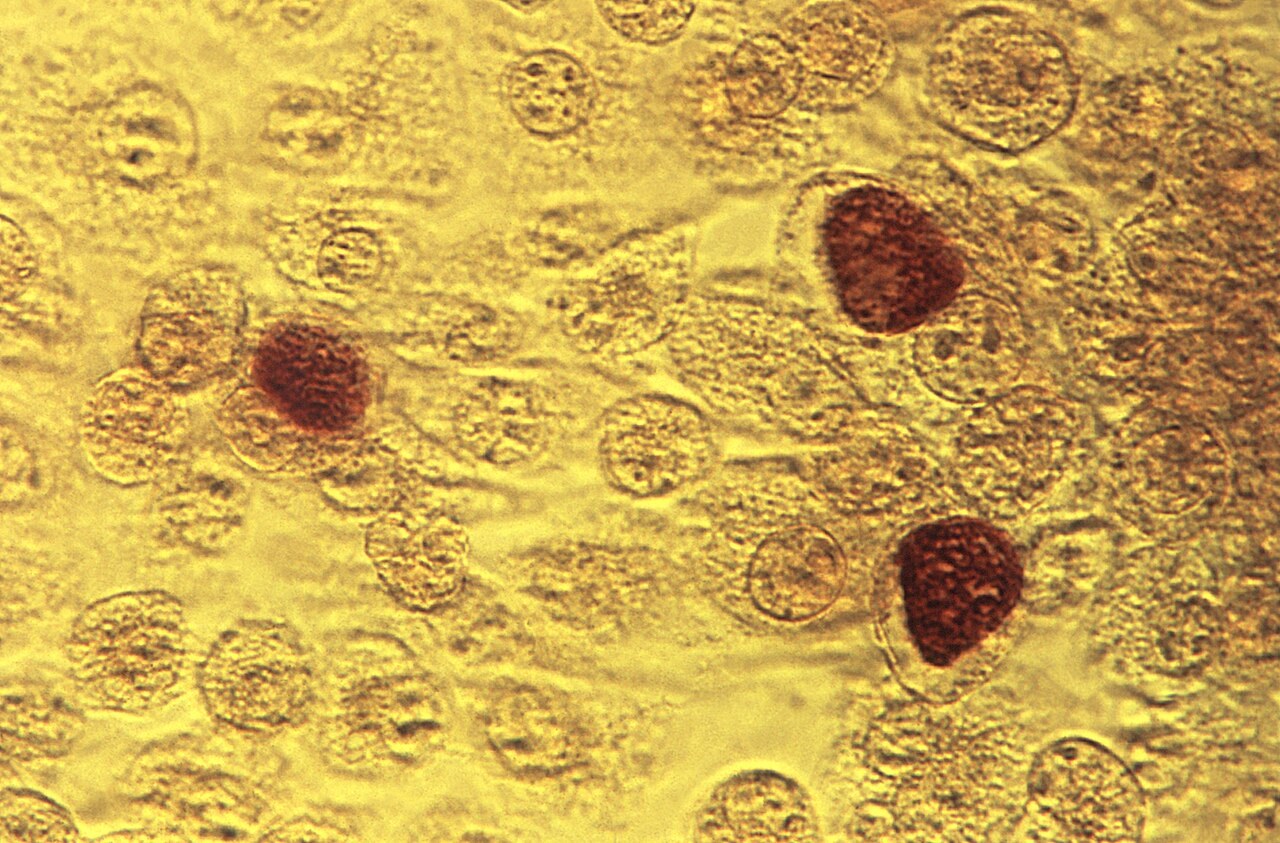
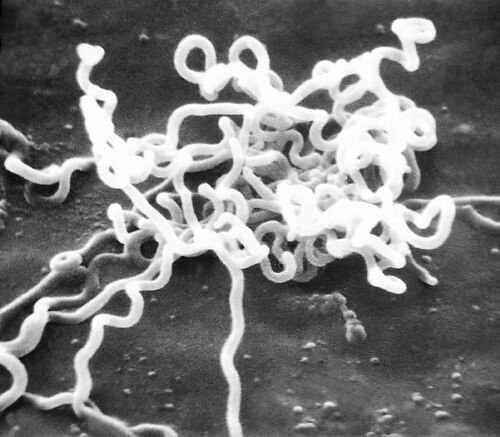
The WHO estimates that more than 1 million curable sexually transmitted infections (STIs) are acquired every day among people aged 15 to 49. It estimated 374 million new cases in 2020 of four curable STIs: chlamydia, gonorrhoea, syphilis and trichomoniasis. It says most STIs have no symptoms. The US Centers for Disease Control and Prevention (CDC) says STIs "often have no symptoms, so you may not know you have one." The WHO also estimates that about 520 million people aged 15 to 49 have genital herpes. It links HPV to more than 311,000 cervical cancer deaths a year.
In the United States, the CDC's provisional figures for 2024 counted 2,249,636 cases of chlamydia, gonorrhea and syphilis. That total was about 9% lower than in 2023, the third yearly fall. Primary and secondary syphilis fell 21.7%. Congenital syphilis, passed from mother to baby, rose for a 12th straight year, to 3,941 cases. The CDC says that is nearly 700% higher than a decade earlier. The total of the three infections was still 13% higher than ten years before.
Prevention has been measured
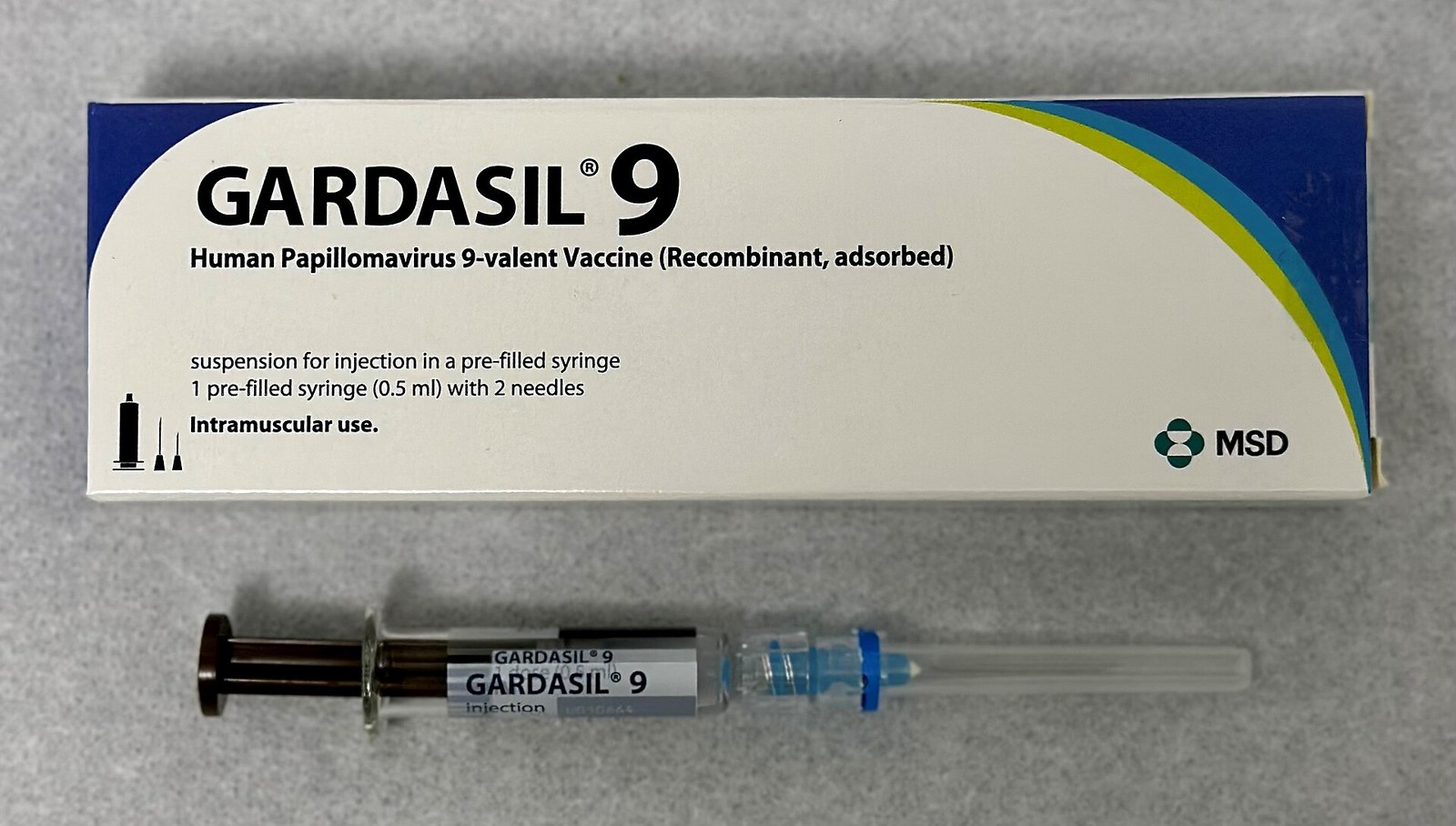
The CDC reports that since HPV vaccines were introduced in 2006, infections with the HPV types they target fell 88% among teen girls. They fell 81% among young adult women. Cervical precancers caused by the most cancer-linked types fell 40% among vaccinated women. These figures come from tracking the population over time, not from a single trial.
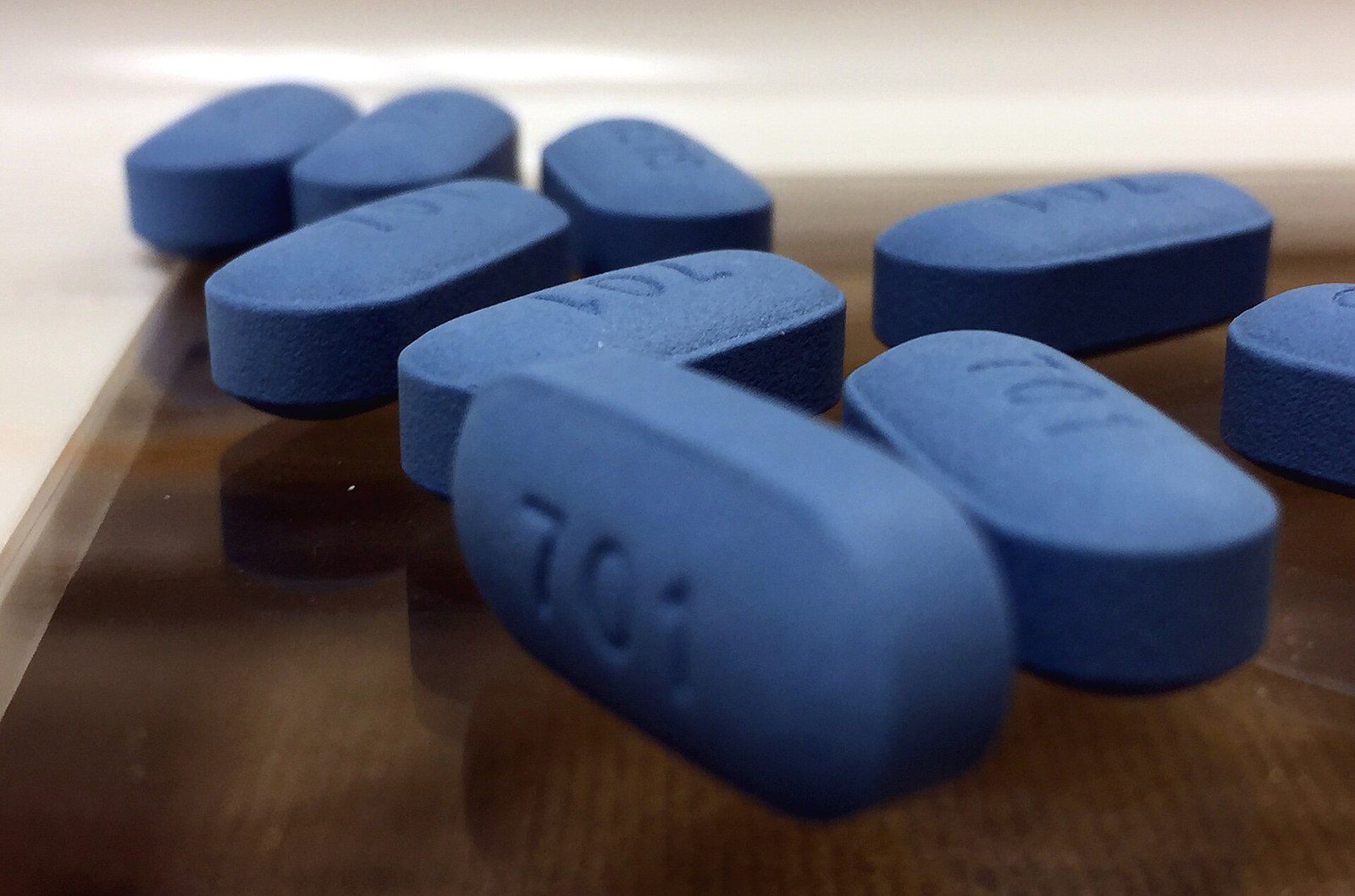
For HIV, the CDC's clinical guidance covers pre-exposure prophylaxis (PrEP). Taken as prescribed, it says, PrEP cuts the risk of getting HIV from sex by "about 99%." The CDC's page for the public says daily PrEP pills take about 7 days to protect for receptive anal sex. For receptive vaginal sex, it says about 21 days. The CDC says that using condoms correctly every time lowers the risk of STIs and pregnancy, but does not remove it. Condoms protect better against infections spread by genital fluids, such as chlamydia, it says. They protect less against those spread by skin contact, such as herpes.
Sex continues with age, and changes
Lindau's 2007 study found that 73% of adults aged 57 to 64 had been sexually active in the past year. So had 53% of those aged 65 to 74 and 26% of those aged 75 to 85. Among sexually active women, 43% reported low desire, 39% difficulty with lubrication and 34% being unable to reach orgasm. Among sexually active men, 37% reported erection difficulties.
After menopause, many women have vaginal dryness, irritation or pain during sex, together called genitourinary syndrome of menopause. A 2021 systematic review by Mili and colleagues found these symptoms in 13% to 87% of women, depending on the study.
Body image and communication are linked to sexual function
A 2012 review by Woertman and van den Brink of 57 studies found that worries about body image can affect every part of women's sexual function. Self-consciousness during sex was a key part of that link. A similar pattern has been found in men. A 2019 study of 185 gay and bisexual men linked lower body esteem to more erection difficulties.
The measurement studies found wide variation. A 2005 study by Lloyd and colleagues measured the genitals of 50 women. It found "a wide range of values" for every measurement. A 2015 systematic review by Veale and colleagues pooled measurements taken by health professionals in up to 15,521 men. It found an average erect penis length of 13.12 cm. The average flaccid length was 9.16 cm.
Talking about sex is linked to better sexual function. A 2019 meta-analysis by Mallory and colleagues of 48 studies found that couples who communicated more about sex reported better sexual function. The link was strongest for orgasm and arousal, and weaker for desire and pain. A 2022 meta-analysis of 93 studies found that the quality of that communication mattered more than how often it happened. Both are correlations, so they cannot show which comes first.
The pelvic floor muscles are another studied part of sexual and bladder health. Training them has been tested in many trials for leaking urine and prolapse. We report them in Pelvic floor exercises: what the trials found.
Where is sexual health oversold?
One common overstatement is a "normal" amount of sex. A 2017 study by Twenge and colleagues used the US General Social Survey of 26,620 adults. Americans in the early 2010s had sex about nine fewer times a year than in the late 1990s. Adults in their 20s reported about 80 times a year, and adults in their 60s about 20. The authors linked most of the fall to differences between generations, and partly to more adults living without a partner. An average across millions of people says little about any one person or couple.
Products sold to improve sexual performance are a second area. The US Food and Drug Administration (FDA) keeps a list of sexual enhancement products found to contain hidden drug ingredients. It says such products pose a serious health risk and may not work. The National Center for Complementary and Integrative Health (NCCIH) says many such supplements contain hidden drug ingredients. It says some can interact with nitrate heart medicines and cause a dangerous drop in blood pressure.
Anatomy is a third. Cosmetic and enhancement marketing often implies there is one right shape or size. The measurement studies by Lloyd and by Veale found wide natural variation. Lloyd's found no link between genital measurements and sexual activity.
Finally, survey figures can be oversold too. Laumann's 43% figure for women comes from data collected in 1992. PRESIDE found a similar 43.1% in 2008, but only 12.0% of women had both a problem and distress. A count of problems is not a count of people who want help. The reverse story, that sex ends with age, does not fit the data either. In Lindau's study, a quarter of adults aged 75 to 85 had been sexually active in the past year.
What did the studies and guidelines use?
The surveys measured problems in set ways. Natsal-3 used a short questionnaire on sexual function and asked about problems in the past year. PRESIDE measured sexual problems in US women and, separately, the distress they caused. Lindau's study of older adults had a response rate of 75.5%.
The CDC's testing recommendations, as it states them, depend on age, sex and risk. It recommends at least one HIV test for everyone aged 13 to 64. It recommends yearly chlamydia and gonorrhea tests for sexually active women under 25. Women 25 and older with risk factors, such as a new partner or more than one partner, are also included. Sexually active gay and bisexual men are advised to test at least yearly for syphilis, chlamydia, gonorrhea and HIV. It recommends testing pregnant people for syphilis, HIV and hepatitis B and C early in pregnancy.
For the HPV vaccine, the CDC recommends routine vaccination at 11 or 12, starting as early as 9. It recommends catch-up vaccination through age 26. For adults aged 27 to 45, it says vaccination is a decision to make with a clinician. It notes the benefit is smaller at those ages because more people have already been exposed.
Natsal-3 scored sexual function for the 11,690 people who had at least one partner in the past year. The Twenge study drew on the General Social Survey from 1989 to 2014. Veale's review used only measurements taken by health professionals, not self-reports. The female genital self-image scale was developed from an internet survey of 1,937 women. The 2022 communication meta-analysis pooled 209 results from 93 studies. The communication meta-analyses pooled studies that used questionnaires about how couples talk about sex. Most were correlational surveys, not trials of teaching couples to talk.
What do the warnings say?
The UK's National Health Service (NHS) says an erection lasting more than 3 to 4 hours needs emergency care. It says it can cause permanent damage. It says the same of sudden, severe pain in a testicle. In the US, the emergency number is 911. For bleeding after menopause, the NHS says to see a doctor, "even if it's only a small amount." It says bleeding after sex can occasionally be a sign of cancer and should be checked. The NHS lists thrush, STIs, menopause and endometriosis among causes of vaginal pain during sex. Vaginismus is a tightening of the vagina that can make sex painful. The NHS says to see a doctor or a sexual health clinic about it. The NHS also notes that antidepressants commonly cause sexual side effects, which for some people continue after stopping.
Questions to Ask Your Doctor
- Which STI tests make sense for me, given my age and sexual history?
- Am I a candidate for the HPV vaccine, or for PrEP?
- Could any of my medicines be affecting my sex life?
- Could pain, dryness or bleeding during or after sex point to something that needs checking?
- Can you refer me to a specialist, such as a sexual health clinic or a sex therapist?
Questions People Ask
How common are sexual problems?
Very common, in every large survey. In Natsal-3, about 4 in 10 sexually active men and half of sexually active women reported a problem in the past year. Most of them were not distressed: about 1 in 10 people overall said they were. Clayton and colleagues noted in a 2018 review that a diagnosis of low desire requires significant distress.
Can you have an STI without knowing it?
Yes. The WHO says most STIs have no symptoms, and the CDC says they often have none. The CDC's testing recommendations are based on age and risk, not on symptoms. The WHO estimates that about 520 million people aged 15 to 49, around 13%, have the virus that causes genital herpes.
Do people stop having sex as they get older?
Many do not. In Lindau's national study, more than half of adults aged 65 to 74 had been sexually active in the past year. So had a quarter of those aged 75 to 85. Among those who were active, 43% of women reported low desire and 37% of men reported erection difficulties.
Is it normal for genitals to look different from pictures?
The measurement studies found wide variation. Lloyd's study of 50 women found a wide range for every measurement. It found no link between those measurements and age, having children, ethnicity, hormone use or sexual activity. The Veale review built its averages from measurements taken by health professionals, not from self-reports.
Does body image really affect sex?
The studies link the two, though most are surveys. A 2016 study of 88 young women found that poorer body image went with lower desire, arousal and orgasm. A 2018 study of 151 Dutch heterosexual couples linked better body image to higher relationship quality, through higher sexual satisfaction. It found no difference between men and women. A study of genital self-image in 1,937 women linked a better self-image to better sexual function. A matching scale for men, published in 2013, found that a better genital self-image went with better erectile function.
Pictures and credits
In pictures





Where this comes from
Sources
- Mitchell KR, Mercer CH, Ploubidis GB, et al. Sexual function in Britain: findings from the third National Survey of Sexual Attitudes and Lifestyles (Natsal-3). The Lancet, 2013. 15,162 people; problems in 41.6% of men and 51.2% of women; distress 9.9% and 10.9%; imbalance in interest; links with depression, health and communication
- At least four out of ten men and women have had a recent sexual problem. Wellcome Trust, 2013. The most common specific problems reported in Natsal-3
- Shifren JL, Monz BU, Russo PA, et al. Sexual problems and distress in United States women: prevalence and correlates. Obstetrics and Gynecology, 2008. 31,581 women; any problem 43.1%; distress 22.2%; both 12.0%
- Laumann EO, Paik A, Rosen RC. Sexual dysfunction in the United States: prevalence and predictors. JAMA, 1999. 1,749 women and 1,410 men, 1992 data; 43% of women and 31% of men
- Lindau ST, Schumm LP, Laumann EO, et al. A study of sexuality and health among older adults in the United States. New England Journal of Medicine, 2007. 3,005 adults aged 57 to 85; sexual activity by age; low desire, lubrication and erection problems
- Sexual health. World Health Organization. The WHO working definition of sexual health
- Sexually transmitted infections (STIs). World Health Organization, 2025. More than 1 million curable STIs a day; 374 million in 2020; most without symptoms; herpes 520 million
- Sexually Transmitted Infections Surveillance, 2024 (Provisional). Centers for Disease Control and Prevention, 2025. 2,249,636 cases in 2024; syphilis down 21.7%; congenital syphilis 3,941, up for a 12th year
- Getting Tested for STIs. Centers for Disease Control and Prevention, 2026. STIs often have no symptoms; testing recommendations by age and risk
- HPV Vaccination. Centers for Disease Control and Prevention, 2024. Routine at 11 or 12, catch-up through 26, shared decision at 27 to 45
- Impact of the HPV Vaccine. Centers for Disease Control and Prevention, 2024. Targeted HPV infections down 88% in teen girls and 81% in young women; precancers down 40%
- Clinical Guidance for PrEP. Centers for Disease Control and Prevention, 2026. PrEP reduces the risk of HIV from sex by about 99%
- Condom Use: An Overview. Centers for Disease Control and Prevention, 2024. Condoms lower but do not remove risk; better protection against fluid-spread infections
- Woertman L, van den Brink F. Body image and female sexual functioning and behavior: a review. Journal of Sex Research, 2012. 57 studies; body image concerns can affect all parts of women's sexual function
- Quinn-Nilas C, et al. The Relationship Between Body Image and Domains of Sexual Functioning Among Heterosexual, Emerging Adult Women. Sexual Medicine, 2016. 88 women; poorer body image with lower desire, arousal and orgasm
- Levitan J, Quinn-Nilas C, Milhausen R, Breuer R. The Relationship Between Body Image and Sexual Functioning Among Gay and Bisexual Men. Journal of Homosexuality, 2019. 185 gay and bisexual men; lower body esteem with more erection difficulties
- van den Brink F, et al. Relationships between body image, sexual satisfaction, and relationship quality in romantic couples. Journal of Family Psychology, 2018. 151 couples; body image, sexual satisfaction and relationship quality
- Herbenick D, Reece M. Development and validation of the female genital self-image scale. Journal of Sexual Medicine, 2010. 1,937 women; genital self-image linked to sexual function
- Lloyd J, Crouch NS, Minto CL, et al. Female genital appearance: 'normality' unfolds. BJOG, 2005. 50 women; a wide range of values; no link with age, parity, ethnicity, hormones or sexual activity
- Veale D, Miles S, Bramley S, et al. Am I normal? A systematic review and construction of nomograms for flaccid and erect penis length and circumference in up to 15,521 men. BJU International, 2015. Measured by health professionals; erect length 13.12 cm, flaccid 9.16 cm
- Mili N, et al. Genitourinary syndrome of menopause: a systematic review on prevalence and treatment. Menopause, 2021. Symptoms reported by 13% to 87% of women across studies
- Mallory AB, Stanton AM, Handy AB. Couples' Sexual Communication and Dimensions of Sexual Function: A Meta-Analysis. Journal of Sex Research, 2019. 48 studies; more communication with better sexual function
- Mallory AB. Dimensions of couples' sexual communication, relationship satisfaction, and sexual satisfaction: A meta-analysis. Journal of Family Psychology, 2022. 93 studies; quality of communication mattered more than frequency
- Twenge JM, Sherman RA, Wells BE. Declines in Sexual Frequency among American Adults, 1989-2014. Archives of Sexual Behavior, 2017. 26,620 adults; about nine fewer times a year; about 80 a year in the 20s and 20 in the 60s
- Clayton AH, Kingsberg SA, Goldstein I. Evaluation and Management of Hypoactive Sexual Desire Disorder. Sexual Medicine, 2018. A diagnosis of low desire requires significant distress
- Sexual Enhancement and Energy Product Notifications. US Food and Drug Administration, 2026. Products with hidden ingredients pose a serious risk and are not guaranteed to work
- Priapism (painful erections). NHS, 2023. An erection lasting more than 3 to 4 hours needs emergency care
- Testicle pain. NHS, 2025. Sudden, severe testicle pain needs A&E or 999
- Postmenopausal bleeding. NHS, 2026. See a GP for any bleeding after menopause
- Vaginal bleeding between periods or after sex. NHS, 2024. Bleeding after sex can occasionally be a sign of cancer and should be checked
- Vaginismus. NHS, 2024. Causes of vaginal pain during sex; see a GP or sexual health clinic
- Antidepressants: side effects. NHS, 2025. Sexual side effects are common and may continue after stopping
- 4 Things To Know About Dietary Supplements Marketed for Sexual Enhancement. National Center for Complementary and Integrative Health (NIH). Hidden drug ingredients; some products interact with nitrates and can lower blood pressure dangerously
- Herbenick D, et al. The development and validation of the Male Genital Self-Image Scale. Journal of Sexual Medicine, 2013. Male genital self-image positively related to erectile function
- Preventing HIV with PrEP. Centers for Disease Control and Prevention, 2026. Daily pills: about 7 days to protection for receptive anal sex, about 21 days for receptive vaginal sex
The Healing Spot reports published research for general information. It is not medical advice and does not replace a doctor, who knows your history. Talk to a qualified clinician before you start, stop or change any treatment, supplement or practice. If you think you may have a medical emergency, call 911 or your local emergency number.