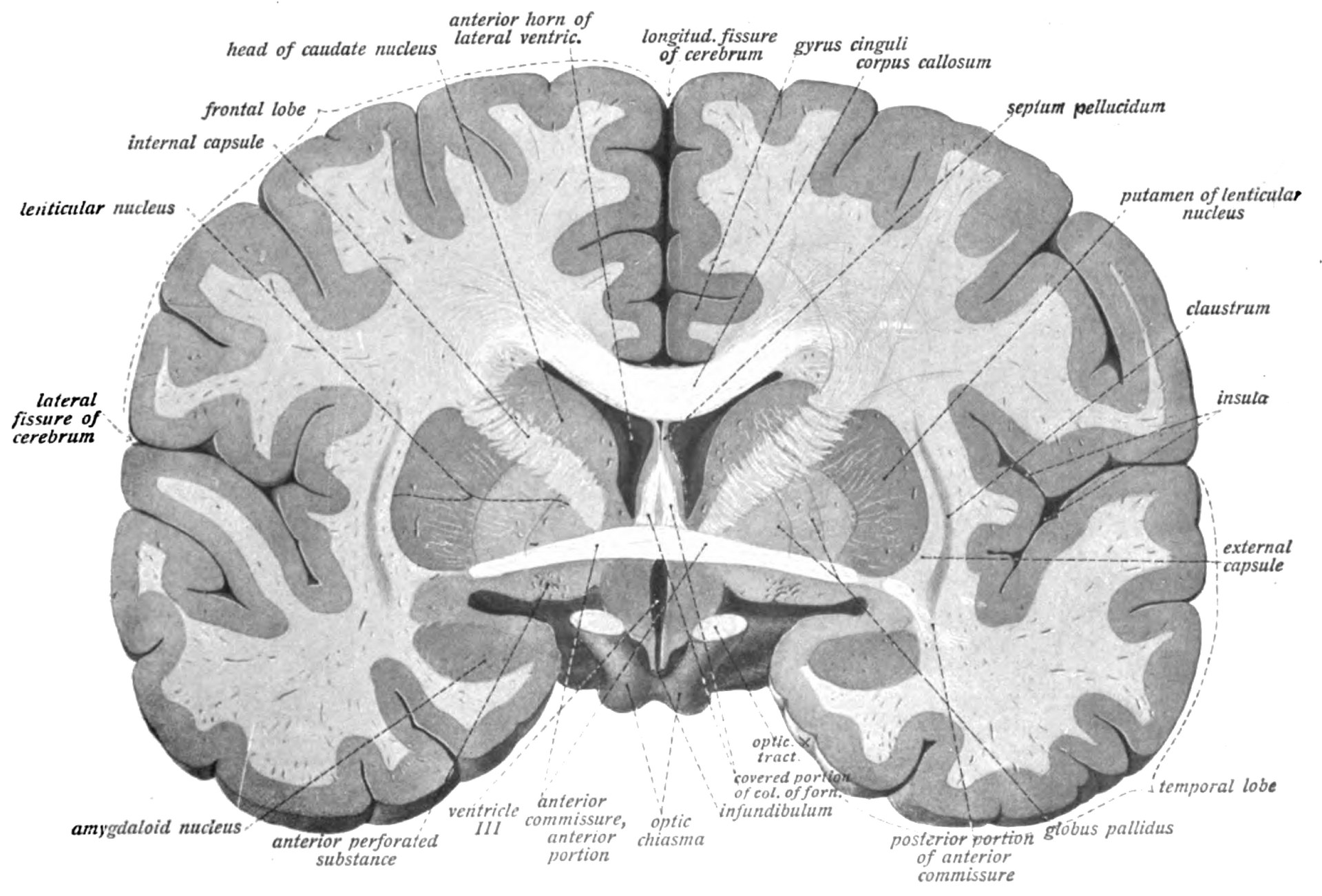
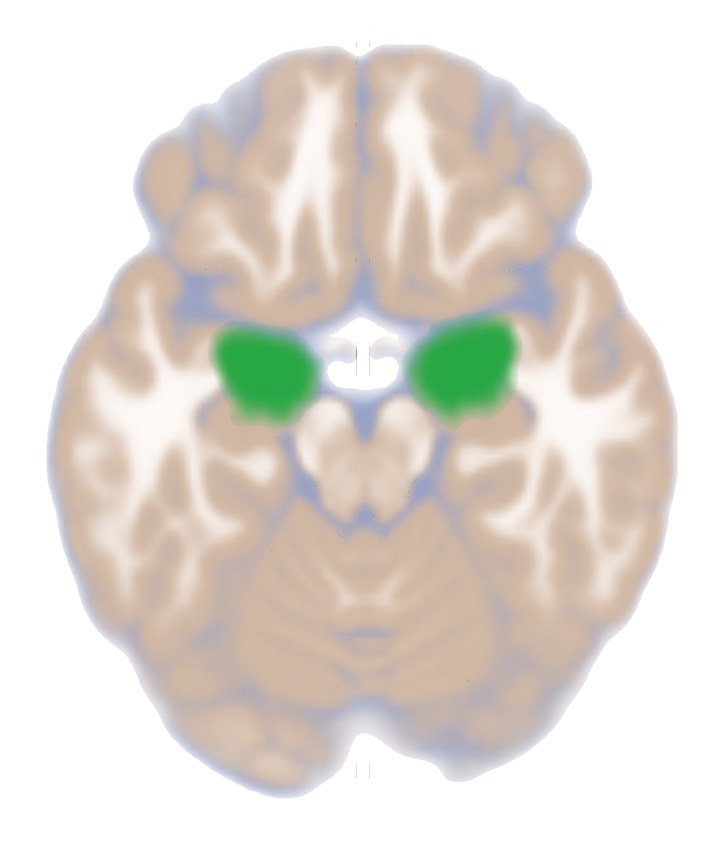
Does naming a feeling make it easier to bear? Researchers call it affect labeling: putting an emotion into a word, such as afraid or angry. In brain-scan studies, choosing an emotion word for an angry or frightened face lowered activity in the amygdala. That brain region is involved in threat. In two lab exposure studies, labeling fear lowered the body's arousal.
Whether people feel less upset is less clear. The drops in self-rated distress were small, two exposure studies found none, and one replication attempt found none for negative feelings. A 2026 systematic review of 43 studies called the effect conditional on the person and the setting. We found no meta-analysis that pooled it. We rate the research Early for lowering how upset people feel.
What is affect labeling?
Affect labeling means naming an emotion, your own or one you see, in a word or a short sentence. In the lab it usually takes seconds. A person looks at a picture or a face and picks one of two emotion words, such as angry or scared. In the comparison tasks, the person just looks, matches faces, or names something neutral, such as the gender of a face.
The UCLA psychologist Matthew Lieberman and colleagues describe it as implicit emotion regulation. It can damp a response without the person meaning it to, and it may not feel like regulation at all. The popular phrase "name it to tame it" is one of 12 strategies in The Whole-Brain Child. That parenting book is by the psychiatrist Daniel Siegel and Tina Payne Bryson. The book is about children. The studies below tested adults.
Affect labeling is not the same as expressive writing. In expressive writing, people write about a stressful event for 15 to 20 minutes over several days. That is a separate and larger body of research.
What happened in the labeling studies?
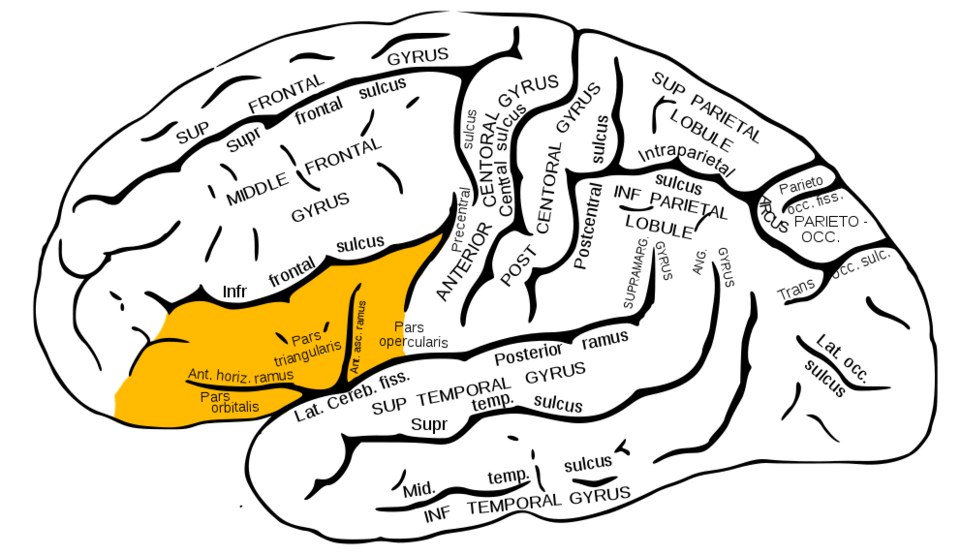
In a 2007 study, 30 adults aged 18 to 36 viewed emotional faces in an fMRI scanner. Choosing an emotion word for a face gave less amygdala activity than looking, matching it to another face, or naming its gender. One region, the right ventrolateral prefrontal cortex, became more active during emotion labeling. The more it rose, the more the amygdala fell. The study did not ask people how they felt.
A 2011 set of four studies with UCLA undergraduates did ask. On a 9-point scale, unpleasant pictures were rated slightly less distressing when labeled: 6.25, against 6.64 when just watched. Labeling also reduced the pleasure of pleasant pictures. The authors concluded that labeling tends to damp feelings in general. People who only imagined the task predicted that labeling would make them feel worse.
A 2012 study tested labeling during a lab version of exposure therapy for a fear of spiders. Eighty-eight spider-fearful people, mostly young women, faced a live tarantula in one of four conditions. A week later, the labeling group's skin conductance, a sign of arousal, had fallen while the other groups' rose slightly. Self-reported fear did not differ between the groups. Steps taken toward the spider improved only marginally, and only against distraction.
A 2015 study of 100 people with public-speaking anxiety found the same split. Labeling lowered physical arousal more than a control task did, with no effect on self-reports. People who had more trouble regulating emotion at the start gained more physical benefit.
Later work is mixed. A 2021 set of four studies did not replicate the drop in negative feeling, and found that labeling raised reported positive feeling. Two papers, from 2021 and 2024, found that naming a feeling first made a later coping strategy, reappraisal, work less well. The 2026 review found body and behavior measures fairly consistent, but self-reported feelings mixed, sometimes rising.
Where do the popular claims go further?
Some popular articles say that naming a feeling calms the amygdala, or rewires the brain. The brain findings are averages from small groups, 30 people in the 2007 study. Amygdala activity is not the same as felt distress, and that study did not measure felt distress. We found no study that tested whether labeling changes the brain over time.
Claims that labeling works as a treatment for anxiety also go past the data. The exposure studies were short lab sessions, mostly with students, not clinical trials. Their benefit showed in skin conductance, not in how afraid people said they were. A 2015 review summarized the spider study as showing less anxiety in the labeling group. The original paper found no difference in self-reported fear.
Some popular writing also lumps naming feelings and expressive writing together. They were studied separately, and the expressive-writing effect is small. A 2006 meta-analysis of 146 randomized studies found an average effect size of r = .075.
What did the studies ask people to do?
Most labeling was brief and done in a lab. In the 2007 and 2011 studies, people picked one of two emotion words for each face or picture, in seconds. In the spider study, the labeling group said a sentence naming the spider and their own feeling in negative words. Exposure ran over two days, with ten 38-second trials each day.
In the public-speaking study, people gave 10 one-minute speeches a day for two days, to an audience of three. Before each speech, the labeling group finished the sentence "I feel" with an emotion word. Many chose "other" instead, so not everyone labeled as planned.
The samples were young and mostly female. The spider study was 82% female, with a mean age of 20.5. The public-speaking study was 80% female and 92% students. One 2014 brain study used 39 healthy older adults. The 2011 studies used only UCLA undergraduates. The longest follow-up was one week.
Can putting feelings into words backfire?
The labeling studies we read did not report on harms; their tasks lasted seconds or minutes. The expressive-writing research is different. A 2005 review in Advances in Psychiatric Treatment covered writing about trauma. It reported that such writing usually brings a short-term rise in distress and negative mood. Its authors said such writing should not replace medical or psychological treatment. If you are thinking about suicide or are worried about someone, call or text 988 (US) to reach the 988 Suicide & Crisis Lifeline.
Questions to Ask Your Doctor
- Are the feelings I have been struggling with a sign of anxiety or depression that needs treatment?
- Would a therapy that works on naming and handling emotions suit what I am dealing with?
- Is writing about a painful event right for me now, or better done with a therapist?
- Who can I talk to if strong feelings start to get in the way of work, sleep or relationships?
Questions People Ask
Does it matter whether I say the feeling or pick a word?
The studies used both. In the brain-scan studies, people picked a written word on a screen. In the exposure studies, they said a sentence or finished one. We found no study that compared the two. In the spider study, people who used more fear words during exposure showed a larger drop in skin conductance a week later.
What is emotional granularity?
It is the ability to tell one negative feeling from another, such as guilt from shame. A 2015 review by Todd Kashdan and colleagues linked it to healthier responses. People who drew finer distinctions drank about 40% less alcohol when stressed in one study. Most of that evidence is correlational, and the authors called the evidence from interventions preliminary.
Does naming a happy feeling dull it?
The studies disagree. In one of the 2011 studies, 22 women rated pleasant pictures as less pleasant when they labeled them. A 2021 set of four studies, with 49 to 120 people each, found the reverse: labeling raised reported positive feeling. Those authors could not replicate the earlier findings on negative emotion either.
Can naming a feeling make it worse?
Some studies suggest it can, depending on what comes next. In a 2021 paper, people who named their emotions before reappraising a scene reported feeling worse than those who only reappraised. The studies had 80 and 60 people. The authors suggested that naming may make a feeling more fixed. A 2024 study of 35 people found a similar result.
Pictures and credits
In pictures





Where this comes from
Sources
- Lieberman MD, Eisenberger NI, Crockett MJ, Tom SM, Pfeifer JH, Way BM. Putting feelings into words: affect labeling disrupts amygdala activity in response to affective stimuli. Psychological Science, 2007. 30 adults: lower amygdala activity when labeling emotion; right ventrolateral prefrontal cortex; no measure of felt distress
- Lieberman MD, Inagaki TK, Tabibnia G, Crockett MJ. Subjective responses to emotional stimuli during labeling, reappraisal, and distraction. Emotion, 2011. Four studies: small drops in distress (6.25 against 6.64), mispredictions, reduced pleasure
- Kircanski K, Lieberman MD, Craske MG. Feelings into words: contributions of language to exposure therapy. Psychological Science, 2012. 88 spider-fearful people: lower skin conductance at one week, no difference in self-reported fear; sample and protocol
- Niles AN, Craske MG, Lieberman MD, Hur C. Affect labeling enhances exposure effectiveness for public speaking anxiety. Behaviour Research and Therapy, 2015. 100 people: lower physical arousal, no self-report effect; protocol and sample
- Torre JB, Lieberman MD. Putting feelings into words: affect labeling as implicit emotion regulation. Emotion Review, 2018. Affect labeling as implicit emotion regulation
- Jang Y, Hwang S, Shin J. A systematic review of the effectiveness of affect labeling: is affect labeling effective for emotion regulation? Korean Journal of Health Psychology, 2026. 43 studies: body and behavior measures consistent, self-reports mixed; a conditional strategy
- Vlasenko VV, Rogers EG, Waugh CE. Affect labelling increases the intensity of positive emotions. Cognition and Emotion, 2021. Four studies: no replication for negative emotion; labeling raised positive feeling
- Nook EC, Satpute AB, Ochsner KN. Emotion naming impedes both cognitive reappraisal and mindful acceptance strategies of emotion regulation. Affective Science, 2021. Naming first made reappraisal and acceptance work less well
- Yoshimura S, Shimomura K, Onoda K. Diminished negative emotion regulation through affect labeling and reappraisal: insights from functional near infrared spectroscopy on lateral prefrontal cortex activation. BMC Psychology, 2024. 35 people: labeling plus reappraisal less effective than reappraisal alone
- Burklund LJ, Creswell JD, Irwin MR, Lieberman MD. The common and distinct neural bases of affect labeling and reappraisal in healthy adults. Frontiers in Psychology, 2014. 39 healthy older adults
- Kashdan TB, Barrett LF, McKnight PE. Unpacking emotion differentiation: transforming unpleasant experience by perceiving distinctions in negativity. Current Directions in Psychological Science, 2015. Emotion differentiation, about 40% less drinking under stress, evidence mostly correlational; its summary of the spider study
- Frattaroli J. Experimental disclosure and its moderators: a meta-analysis. Psychological Bulletin, 2006. 146 randomized studies of expressive writing, r = .075
- Baikie KA, Wilhelm K. Emotional and physical health benefits of expressive writing. Advances in Psychiatric Treatment, 2005. Short-term rise in distress after writing about trauma; not a replacement for treatment; 15 to 20 minutes over several days
- Siegel DJ, Bryson TP. The Whole-Brain Child. Dr. Dan Siegel. Name it to tame it as one of the book's 12 strategies, for children
- Abblett M. Mindful: labels help tame reactive emotions. Mindful, 2019. Dan Siegel described as a psychiatrist; the phrase credited to him
- 988 Suicide & Crisis Lifeline. 988 Suicide & Crisis Lifeline. Call or text 988, free and confidential, 24 hours a day
The Healing Spot reports published research for general information. It is not medical advice and does not replace a doctor, who knows your history. Talk to a qualified clinician before you start, stop or change any treatment, supplement or practice. If you think you may have a medical emergency, call 911 or your local emergency number.