
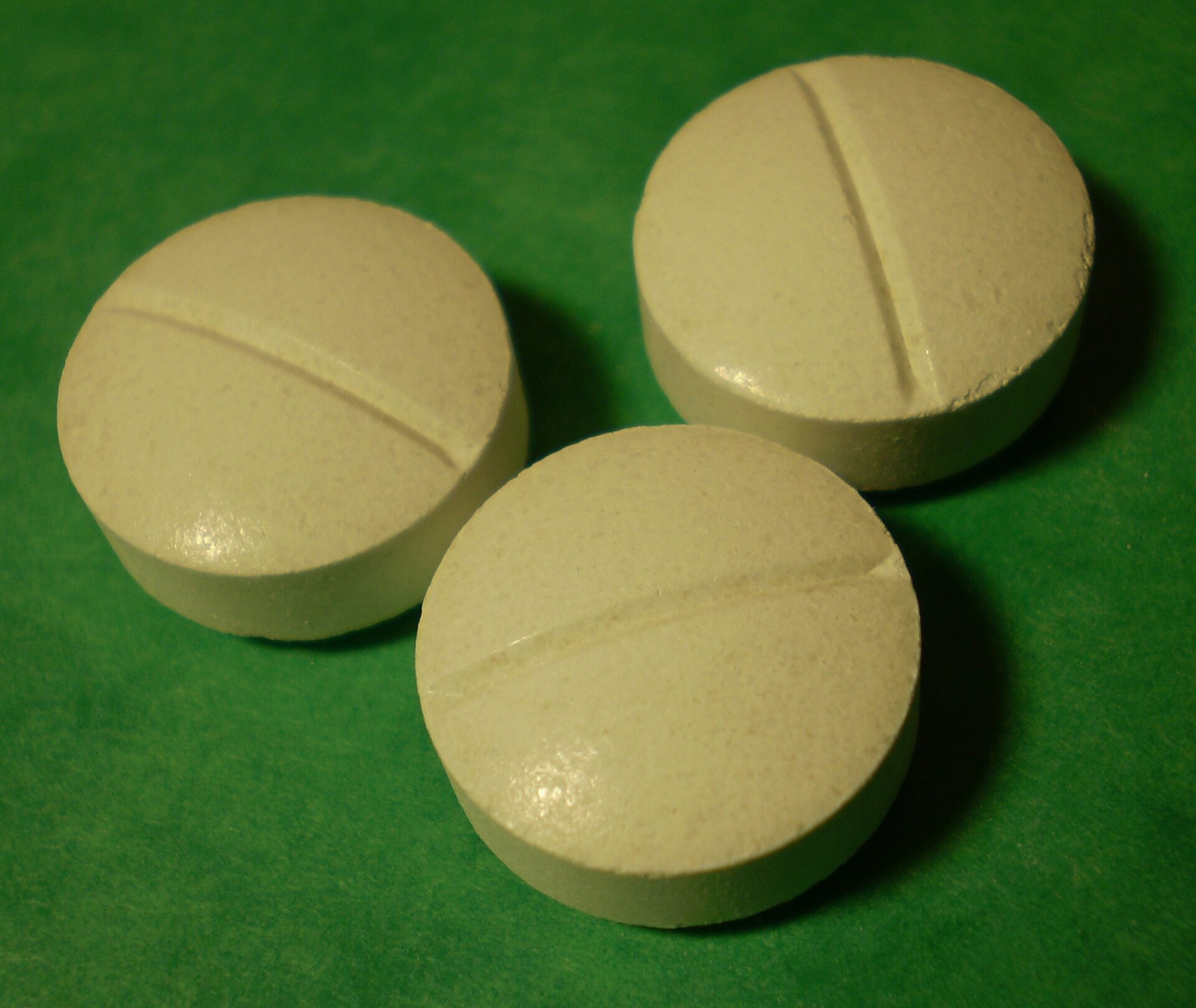
What has each form of magnesium been studied for? The trials we found for migraine, constipation and sleep mostly used magnesium oxide or citrate, with small to moderate results. Newer forms such as glycinate and L-threonate have one to three trials each.
The NIH Office of Dietary Supplements says small studies found citrate, chloride, lactate and aspartate better absorbed than oxide. Absorption is not the same as benefit, though. The largest body of outcome evidence, a 2016 meta-analysis of 34 trials, found a small drop in blood pressure. For the best-studied uses, the research is Moderate. Each use is graded below, where it is discussed.
What is in a magnesium supplement?
The NIH Office of Dietary Supplements (ODS) describes magnesium as a mineral the body needs for muscle and nerve function. It also helps control blood glucose and blood pressure. An adult body holds about 25 grams. Between 50 and 60 percent of it sits in bone. The recommended daily amount is 400 to 420 mg for men and 310 to 320 mg for women.
Food is the usual source. ODS lists 156 mg in an ounce of roasted pumpkin seeds and 80 mg in an ounce of almonds. Half a cup of boiled spinach has 78 mg, and half a cup of black beans has 60 mg. In national survey data from 2013 to 2016, 48 percent of Americans got less than the average requirement from food and drink.
A supplement binds magnesium to another compound, and that compound names the form. Oxide, citrate and chloride are the forms ODS names as common. Glycinate, or bisglycinate, binds magnesium to the amino acid glycine. L-threonate, malate and taurate are other forms sold as supplements. Magnesium sulfate is given by injection in hospitals, for example to women with pre-eclampsia. The label states the elemental magnesium, not the weight of the whole compound.
What did the trials test, form by form?
Absorption. In a 2001 study, the body absorbed about 4 percent of the magnesium in oxide. Chloride, lactate and aspartate were absorbed significantly better. A 2003 trial gave 46 healthy adults 300 mg a day for 60 days. Citrate and an amino acid chelate raised urine magnesium more than oxide did. Magnesium inside red blood cells did not differ between the groups.
Blood pressure (Moderate). A 2016 meta-analysis in Hypertension pooled 34 trials with 2,028 people. The median dose was 368 mg a day for about three months. Systolic pressure fell by 2.00 mmHg and diastolic by 1.78 mmHg. ODS sums up the research as showing magnesium "only marginally lowers blood pressure." It also reports that the FDA allows a qualified health claim but calls the evidence "inconsistent and inconclusive."
Migraine (Moderate). In a 1996 German trial, 81 adults took 600 mg a day as trimagnesium dicitrate, or a placebo, for 12 weeks. By weeks 9 to 12, attacks had fallen 41.6 percent on magnesium and 15.8 percent on placebo. ODS reports that three of four small placebo-controlled trials found modest reductions. The Canadian Headache Society's 2012 guideline gave magnesium citrate a strong recommendation for preventing migraine. A 2012 US guideline rated magnesium "probably effective." The American Academy of Neurology retired that whole guideline in 2015 over safety concerns about another remedy it recommended, butterbur.
Constipation (Early). Two Japanese trials tested magnesium oxide at 1.5 grams a day for 28 days. In 34 women, 70.6 percent improved overall on oxide against 25.0 percent on placebo. In a second trial of 90 people, 68.3 percent responded on oxide against 11.7 percent on placebo. A 2023 US gastroenterology guideline gives oxide a conditional recommendation, on very low certainty evidence. It notes that only oxide has been tested in trials for this use.
Sleep (Early). A 2012 trial gave 46 older adults with insomnia 500 mg of magnesium a day as oxide for eight weeks. Insomnia scores improved, but total sleep time did not differ from placebo. A 2021 review of three trials in 151 older adults found people fell asleep about 17 minutes faster. The reviewers rated the evidence low to very low quality. We found one trial of glycinate for sleep: 155 adults took 250 mg of magnesium a day as bisglycinate for four weeks. Insomnia scores fell 3.9 points against 2.3 on placebo, a small difference.
Where do the claims go past the studies?
Supplement marketing often presents better absorption as better results. The absorption studies measured magnesium in urine or blood, in small groups. They did not measure migraine, blood pressure or sleep. The constipation trials and the 2012 sleep trial used oxide, the form that absorbed least in those studies.
Glycinate is often marketed for sleep. We found one randomized trial, with a small effect over four weeks. L-threonate is often marketed for the brain and for sleep. The trials we found were each funded by a company that made or supplied the product. In a 2026 trial, 100 adults took it for six weeks. A cognition score and self-reported sleep problems improved, but ring-measured sleep did not.
Leg cramps are another common claim. A 2020 Cochrane review of 11 trials found magnesium "unlikely" to give older adults meaningful protection from cramps. For cramps in pregnancy, its evidence was conflicting. Malate is often marketed for fibromyalgia. A 2019 evidence summary of magnesium with malic acid found little or no difference in pain. For taurate, we found no randomized trial.
What amounts did the studies use?
The amounts below are what the trials gave. They are reported here, not suggested.
- Blood pressure: a median of 368 mg a day for about three months, across 34 trials.
- Migraine: 600 mg a day as trimagnesium dicitrate for 12 weeks. ODS notes that this is above the upper limit for supplements. It says that use should be "only under the direction and supervision of a health care provider."
- Constipation: 1.5 grams of magnesium oxide a day, the weight of the compound, for 28 days.
- Sleep: older adults took 500 mg of magnesium a day as oxide for eight weeks. Adults in the glycinate trial took 250 mg a day for four weeks.
- Absorption: 300 mg a day for 60 days in the 2003 trial of citrate, chelate and oxide.
- L-threonate: 145 mg of magnesium a day for six weeks in the 2026 trial.
- The upper limit ODS gives for adults is 350 mg a day from supplements and medicines. Magnesium from food is not counted toward it.
What do the warnings say?
ODS reports that high doses from supplements or medicines can cause diarrhea, nausea and cramping. Carbonate, chloride, gluconate and oxide are the forms most often linked to diarrhea. Toxicity has been reported with laxatives and antacids giving more than 5,000 mg a day. The risk rises when kidney function is impaired. Signs include low blood pressure, nausea, flushing, muscle weakness and an irregular heartbeat. ODS also lists interactions with osteoporosis drugs called bisphosphonates, some antibiotics and some diuretics. Long use of acid-reflux drugs called proton pump inhibitors can lower magnesium. The 2023 constipation guideline advises caution in pregnancy and avoiding oxide with poor kidney function. For a suspected overdose, MedlinePlus lists the Poison Help line, 1-800-222-1222.
Questions to Ask Your Doctor
- Is my kidney function normal enough for a magnesium supplement?
- Could magnesium interact with my antibiotic, osteoporosis drug, diuretic or acid-reflux medicine?
- Would a blood test show my magnesium level, or is it a poor guide for me?
- The migraine trials used more than the upper limit. Would that amount be safe for me?
- Could my headaches, constipation or poor sleep have another cause that should be checked?
Questions People Ask
Can you get enough magnesium from food?
ODS says the body absorbs about 30 to 40 percent of the magnesium in food. Seeds, nuts, beans, leafy greens and whole grains are the main sources in its table. It describes a deficiency causing symptoms from diet alone as uncommon in healthy people. Groups more at risk include people with Crohn's or celiac disease, type 2 diabetes or alcohol dependence, and older adults.
What is magnesium sulfate used for?
In hospitals, magnesium sulfate is given by injection. A 2010 Cochrane review pooled six trials with 11,444 women with pre-eclampsia. Magnesium sulfate more than halved their risk of eclampsia, a type of seizure. That use is a hospital treatment, not a supplement. ODS lists sulfate among the less well absorbed forms when taken by mouth.
Does magnesium help with anxiety?
A 2017 review in Nutrients looked at 18 studies, all in groups already prone to anxiety, such as people with premenstrual symptoms. About half found some benefit. The reviewers called the results suggestive but said the quality of the evidence was poor.
Does magnesium affect blood sugar?
A 2016 meta-analysis pooled 18 double-blind trials, 12 of them in people with diabetes. In that group, magnesium lowered fasting glucose. The results varied widely between trials. ODS reports that the American Diabetes Association finds the evidence insufficient to support magnesium for blood sugar control.
Pictures and credits
In pictures











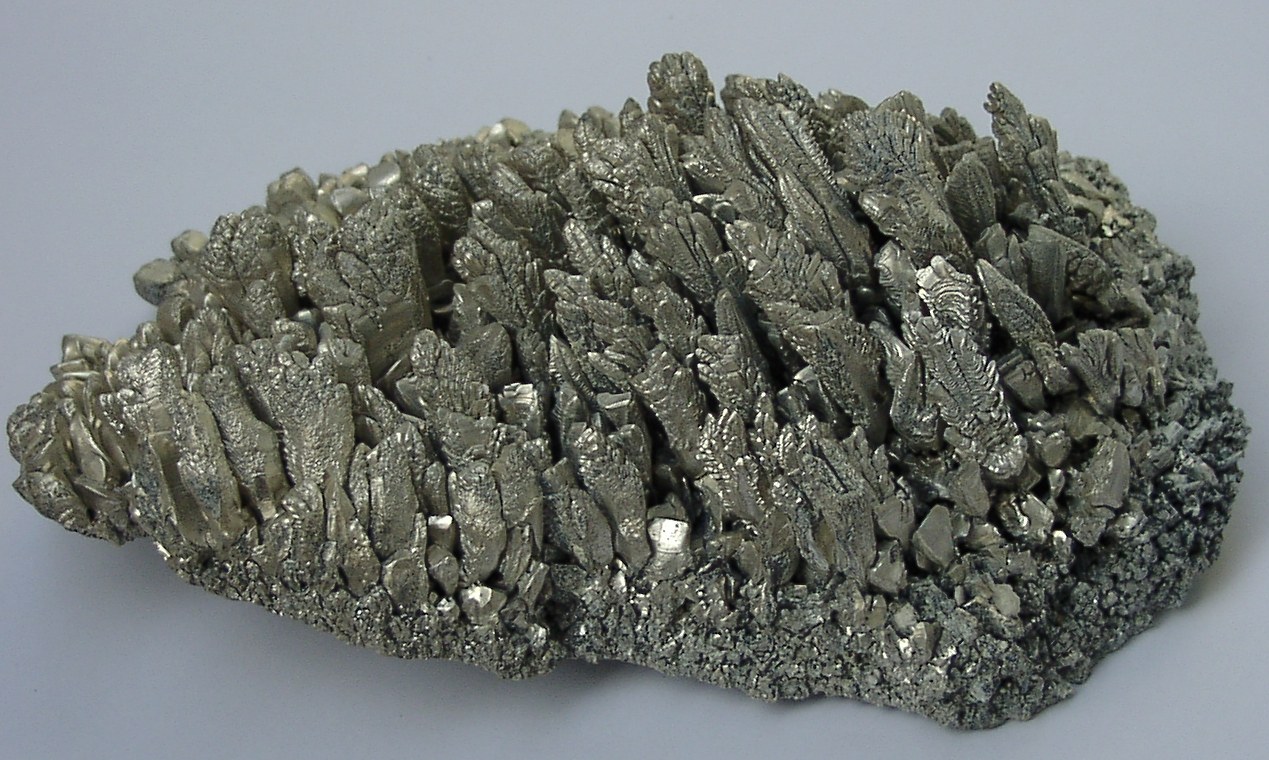

Where this comes from
Sources
- NIH Office of Dietary Supplements. Magnesium: Fact Sheet for Health Professionals. National Institutes of Health, 2026. what magnesium does, body stores, recommended amounts, food amounts, 48% below the average requirement, forms, absorption differences, the 350 mg upper limit, migraine supervision note, side effects, toxicity, kidney risk, interactions, who is at risk
- Zhang X, Li Y, Del Gobbo LC, et al. Effects of magnesium supplementation on blood pressure: a meta-analysis of randomized double-blind placebo-controlled trials. Hypertension, 2016. 34 trials, 2,028 people, median 368 mg/day for about 3 months: systolic -2.00 mmHg, diastolic -1.78 mmHg
- Peikert A, Wilimzig C, Kohne-Volland R. Prophylaxis of migraine with oral magnesium: results from a prospective, multi-center, placebo-controlled and double-blind randomized study. Cephalalgia, 1996. 81 adults, 600 mg/day as trimagnesium dicitrate, 12 weeks: attacks fell 41.6% against 15.8% on placebo
- Pringsheim T, Davenport W, Mackie G, et al. Canadian Headache Society guideline for migraine prophylaxis. Canadian Journal of Neurological Sciences, 2012. strong recommendation for magnesium citrate in migraine prevention
- Holland S, Silberstein SD, Freitag F, et al. Evidence-based guideline update: NSAIDs and other complementary treatments for episodic migraine prevention in adults (retired 2015). Neurology (American Academy of Neurology and American Headache Society), 2012. rated magnesium probably effective (Level B); the whole guideline was retired on September 16, 2015 over butterbur safety concerns
- Mori S, Tomita T, Fujimura K, et al. A randomized double-blind placebo-controlled trial on the effect of magnesium oxide in patients with chronic constipation. Journal of Neurogastroenterology and Motility, 2019. 34 women, magnesium oxide 1.5 g/day for 28 days: overall improvement 70.6% against 25.0%
- Morishita D, Tomita T, Mori S, et al. Senna versus magnesium oxide for the treatment of chronic constipation: a randomized, placebo-controlled trial. American Journal of Gastroenterology, 2021. 90 patients: response 68.3% on magnesium oxide against 11.7% on placebo
- Chang L, Chey WD, Imdad A, et al. AGA-ACG clinical practice guideline: pharmacological management of chronic idiopathic constipation. Gastroenterology, 2023. conditional recommendation for magnesium oxide, very low certainty; only oxide tested in trials for constipation
- Abbasi B, Kimiagar M, Sadeghniiat K, et al. The effect of magnesium supplementation on primary insomnia in elderly: a double-blind placebo-controlled clinical trial. Journal of Research in Medical Sciences, 2012. 46 older adults, 500 mg/day elemental as oxide for 8 weeks: insomnia scores improved, total sleep time did not differ
- Mah J, Pitre T. Oral magnesium supplementation for insomnia in older adults: a systematic review and meta-analysis. BMC Complementary Medicine and Therapies, 2021. 3 trials, 151 older adults: fell asleep 17.36 minutes faster; low to very low quality evidence
- Schuster J, Cycelskij I, Lopresti A, et al. Magnesium bisglycinate supplementation in healthy adults reporting poor sleep: a randomized, placebo-controlled trial. Nature and Science of Sleep, 2025. 155 adults, 250 mg/day elemental as bisglycinate for 4 weeks: insomnia score -3.9 against -2.3, a small effect
- Firoz M, Graber M. Bioavailability of US commercial magnesium preparations. Magnesium Research, 2001. magnesium oxide fractional absorption about 4%; chloride, lactate and aspartate higher
- Walker AF, Marakis G, Christie S, et al. Mg citrate found more bioavailable than other Mg preparations in a randomised, double-blind study. Magnesium Research, 2003. 46 adults, 300 mg/day for 60 days: citrate and amino acid chelate raised urine magnesium more than oxide; red-cell magnesium did not differ
- Garrison SR, Korownyk CS, Kolber MR, et al. Magnesium for skeletal muscle cramps. Cochrane Database of Systematic Reviews, 2020. 11 trials: unlikely to give older adults meaningful cramp protection; conflicting evidence in pregnancy
- Hausenblas HA, Lynch T, Hooper S, et al. Magnesium-L-threonate improves sleep quality and daytime functioning in adults with self-reported sleep problems: a randomized controlled trial. Sleep Medicine: X, 2024. 80 adults, 21 days; funded by the company supplying the ingredient
- Lopresti AL, Smith SJ. The effects of magnesium L-threonate on cognitive performance and sleep quality in adults: a randomised, double-blind, placebo-controlled trial. Frontiers in Nutrition, 2026. 100 adults, 6 weeks: a cognition composite and self-reported sleep impairment improved, ring-measured sleep did not; funded by the company that supplied the product
- Ferreira I, Ortigoza A, Moore P. Magnesium and malic acid supplement for fibromyalgia. Medwave, 2019. evidence summary: little or no difference in pain and depressive symptoms
- Duley L, Gulmezoglu AM, Henderson-Smart DJ, et al. Magnesium sulphate and other anticonvulsants for women with pre-eclampsia. Cochrane Database of Systematic Reviews, 2010. 6 trials, 11,444 women: magnesium sulfate more than halved the risk of eclampsia
- Boyle NB, Lawton C, Dye L. The effects of magnesium supplementation on subjective anxiety and stress: a systematic review. Nutrients, 2017. 18 studies in anxiety-prone groups: suggestive, poor quality evidence
- Veronese N, Watutantrige-Fernando S, Luchini C, et al. Effect of magnesium supplementation on glucose metabolism in people with or at risk of diabetes: a systematic review and meta-analysis of double-blind randomized controlled trials. European Journal of Clinical Nutrition, 2016. 18 trials: lower fasting glucose in people with diabetes, results varied widely
- MedlinePlus. Magnesium Oxide. US National Library of Medicine, 2024. side effects; tell the doctor about kidney disease; Poison Help line 1-800-222-1222
The Healing Spot reports published research for general information. It is not medical advice and does not replace a doctor, who knows your history. Talk to a qualified clinician before you start, stop or change any treatment, supplement or practice. If you think you may have a medical emergency, call 911 or your local emergency number.