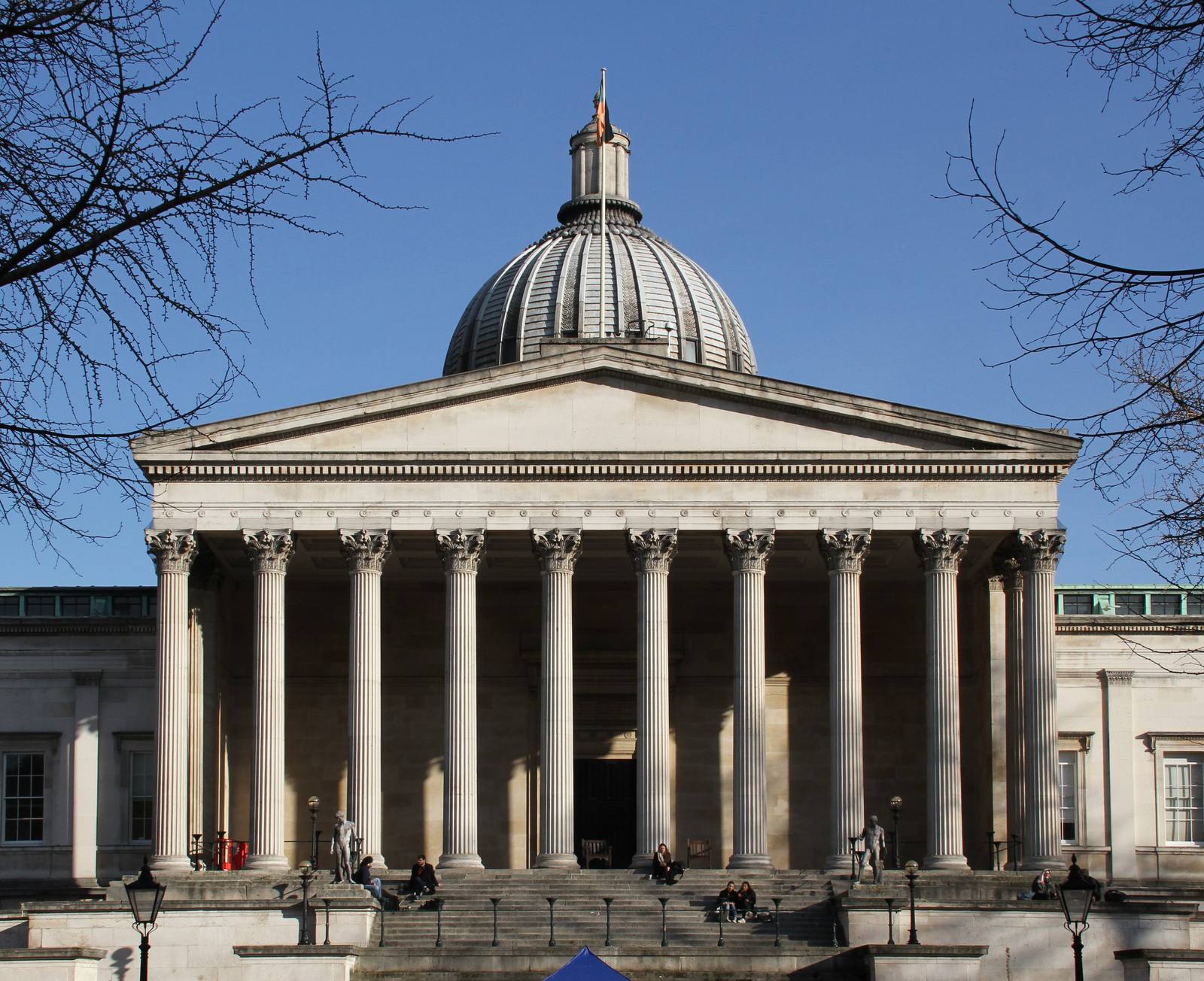
How long does it take to form a habit? The best-known study, from University College London in 2010, followed 96 volunteers for 12 weeks. For the 39 whose data fit well, the median time for a new daily action to feel automatic was 66 days. Individual times ranged from 18 to 254 days.
A 2024 systematic review found four studies that measured the time. The two that reported medians found 59 and 66 days; two others reported longer averages, up to 154 days. Individual times ran from 4 to 335 days. No study we found supports the popular figure of 21 days. The studies are small and rely on people rating their own habits. We rate the research Moderate for how long simple daily habits take to feel automatic.
What do researchers mean by a habit?
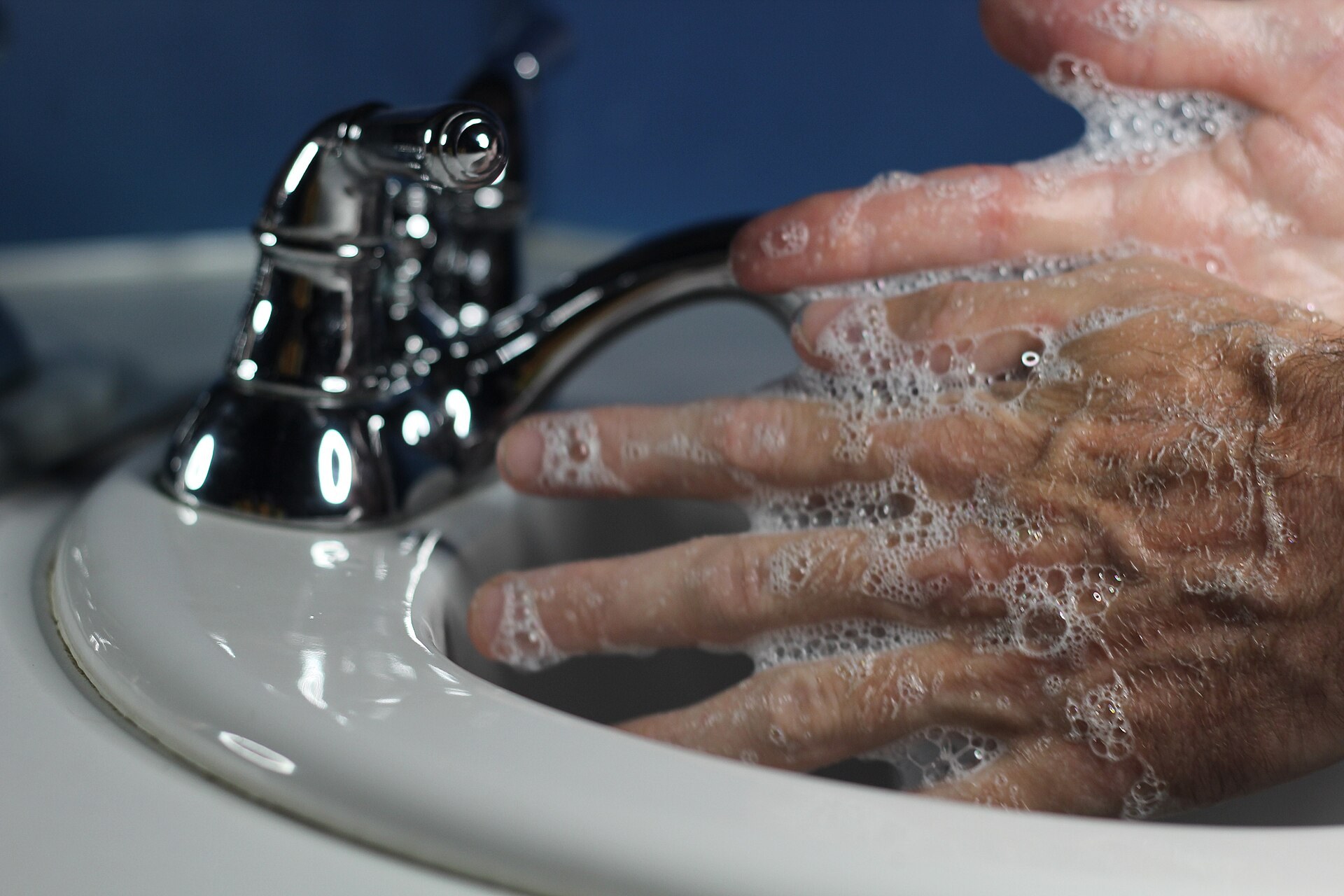
In psychology, a habit is an action set off automatically by a cue in its usual setting. A 2012 paper by Benjamin Gardner, Phillippa Lally and Jane Wardle gives washing your hands after using the toilet as an example. A habit forms by repeating the action in the same context, until the context alone prompts it. The psychologists Wendy Wood and David Neal described habits in 2007 as learned links between a response and its setting. Those links build up slowly.
Once formed, a habit can persist even when motivation fades, the 2012 paper says. That is one reason, the paper says, researchers study habits as a route to lasting changes in health behavior.
Researchers measure habit with questionnaires. The Self-Report Habit Index, published in 2003, has 12 items, such as "I do it automatically". A four-item version focused on automaticity followed in 2012. Studies of habit timing track how these scores rise and then level off.
What did the timing studies find?
In the 2010 study, each volunteer chose one eating, drinking or activity behavior. They did it daily in the same context, such as after breakfast. They rated it every day for 84 days. Of the 96 volunteers, 82 gave enough data. The researchers fitted a curve that rises and then levels off. It fitted 62 people, and fitted well for 39.
For those 39, the median time to reach 95 percent of their own plateau was 66 days. Many reports call this the average. The range was 18 to 254 days. The study lasted 84 days, so the longest time is a projection. Missing one day did not materially affect how the habit formed.
A 2021 randomized trial gave 192 adults aged 18 to 77 a healthy eating habit of their choice. It was linked either to a routine, such as after breakfast, or to a clock time, such as 9 a.m. Both groups gained automaticity, with no difference between them. Among those who formed the habit, the median time to peak automaticity was 59 days. The 2024 review reports that only 23 percent of the trial's participants reached its habit threshold.
A 2017 French study of 48 students compared one stretch done on waking or at bedtime, over 90 days. Projected from the curves, automaticity came at about 106 days for the morning group and 154 days for the evening group. The authors linked the difference to cortisol, a hormone that is high on waking and low near bedtime.
The 2024 review, from the University of South Australia, included 20 studies with 2,601 participants. Across 12 of them, habit scores rose with a moderate effect, but results varied widely between studies. Morning practice and habits people chose for themselves tended to be stronger. The authors concluded that habits can start forming within about two months, with large differences between people.
Exercise has its own study. A 2015 study followed 111 new gym members for 12 weeks. At least four workouts a week for six weeks was the minimum to establish an exercise habit. Consistency, simple routines, the setting and enjoyment predicted who formed one.
Where does the 21-day figure come from?
The 21-day figure traces to Psycho-Cybernetics, a 1960 self-help book by the plastic surgeon Maxwell Maltz. A 2012 post on the blog of the UCL Health Behaviour Research Centre quotes his preface. He wrote that it takes a minimum of about 21 days to change a mental image. He also wrote that patients take about 21 days to get used to a new face. The blog's authors argued that this described adjusting to a change, from anecdote, not forming a habit.
The 66-day figure is sometimes oversold in turn, as a fixed rule. It comes from 39 people doing simple daily actions they chose. A four-centre replication, planned with 800 participants, received in-principle acceptance from Peer Community in Registered Reports in January 2023. We found no published results yet. Asked in 2026 whether a habit takes 66 days, Lally said that for most people most of the time, it does not.
Popular rules about missed days go further than the evidence as well. The finding that one missed day did not matter comes from the single 2010 study.
What did people in the studies do?
The behaviors were simple and daily. The timing studies used single actions such as a glass of water, a piece of fruit or one stretch. Examples from 2010 also included a 15-minute run before dinner and 50 sit-ups after morning coffee. Each was tied to a cue in the same daily context. In the 2021 trial, the cue was either a routine or a set time.
In the 2012 paper, Gardner, Lally and Wardle set out their own approach for doctors to share with patients. It was to pick a simple daily action, plan a consistent time and place, and repeat it. They suggested patients be told to expect the action to feel automatic within about 10 weeks.
Several studies used university students, and the others used volunteers. Every timing study measured automaticity by self-rating, often daily. The 2024 review rated 11 of its 20 studies at high risk of bias, and most had fewer than 100 people. None of the timing studies measured breaking an old habit. The 2012 paper calls that a different and more effortful process.
What do the health agencies say?
None of the timing studies looked at harms. Most tested low-risk actions such as drinking water or eating fruit. For new exercise habits, the UK National Health Service says to speak to a doctor first after a long break from exercise. It says the same for people with medical conditions or concerns. Its guideline for adults aged 19 to 64 is 150 minutes of moderate activity a week, or 75 minutes of vigorous activity.
Questions to Ask Your Doctor
- Is there any reason a new exercise routine could be unsafe for my heart, joints or blood pressure?
- Does a habit I want to stop, such as drinking or smoking, need medical support to change?
- Could a change in my eating habits affect my medicines or my blood sugar?
- Who could help if a habit I want to break feels out of my control?
Questions People Ask
Does missing a day reset a habit?
Not in the one study that tested it. In the 2010 study, missing a single chance to do the behavior did not materially affect habit formation. The British Psychological Society's summary of the study adds that many missed repeats, even spread out, lowered the highest automaticity people reached. People who performed the behavior more consistently also fitted the habit curve better.
Is it faster to build a habit in the morning?
One study suggests so. In 2017, 48 students stretching on waking were projected to reach automaticity about 48 days sooner than those stretching at bedtime. The 2024 review's finding on morning practice rests on that same study. But the 2021 trial found that a clock-time cue and a routine cue worked equally well. We rate the morning finding Early.
Do simple habits form faster than complex ones?
The 2012 paper reports that simple actions, such as a glass of water, peaked sooner than harder ones, such as 50 sit-ups. The 2024 review found drinking-water habits stronger than exercise or fruit and vegetable habits. It also reports that, in the 2010 study, the time did not differ significantly between behavior types.
How long does it take to break a habit?
We found no study that timed it. The research on habit timing measured new, simple behaviors, not stopping old ones. Gardner, Lally and Wardle wrote in 2012 that breaking a habit calls for different and more effortful strategies than forming one. We did not cover habits that involve alcohol, nicotine or other drugs, which are a separate field of research.
Pictures and credits
In pictures





Where this comes from
Sources
- Lally P, van Jaarsveld CHM, Potts HWW, Wardle J. How are habits formed: modelling habit formation in the real world. European Journal of Social Psychology, 2010. 96 volunteers, 84 days; model fitted 62, well for 39; 18 to 254 days; one missed day did not matter
- Singh B, Murphy A, Maher C, Smith AE. Time to form a habit: a systematic review and meta-analysis of health behaviour habit formation and its determinants. Healthcare, 2024. 20 studies, 2,601 people; medians 59 to 66 days, range 4 to 335; median 66 days in Lally; risk of bias; determinants
- Keller J, Kwasnicka D, Klaiber P, Sichert L, Lally P, Fleig L. Habit formation following routine-based versus time-based cue planning: a randomized controlled trial. British Journal of Health Psychology, 2021. 192 adults; routine and time cues equal; median 59 days among those who formed habits
- Fournier M, d'Arripe-Longueville F, Rovere C, et al. Effects of circadian cortisol on the development of a health habit. Health Psychology, 2017. 48 students, 90 days; morning 105.95 against evening 154.01 days, projected; cortisol as mediator
- Kaushal N, Rhodes RE. Exercise habit formation in new gym members: a longitudinal study. Journal of Behavioral Medicine, 2015. 111 new gym members; four workouts a week for six weeks; predictors of habit
- Gardner B, Lally P, Wardle J. Making health habitual: the psychology of habit-formation and general practice. British Journal of General Practice, 2012. Definition of habit, the authors' own approach and about 10 weeks, breaking a habit is harder, simple actions sooner
- Wood W, Neal DT. A new look at habits and the habit-goal interface. Psychological Review, 2007. Habits as slowly learned links between a response and its context
- Verplanken B, Orbell S. Reflections on past behavior: a self-report index of habit strength. Journal of Applied Social Psychology, 2003. The 12-item Self-Report Habit Index
- Gardner B, Abraham C, Lally P, de Bruijn GJ. Towards parsimony in habit measurement: testing the convergent and predictive validity of an automaticity subscale of the Self-Report Habit Index. International Journal of Behavioral Nutrition and Physical Activity, 2012. The four-item automaticity index
- Gardner B, Meisel S. Busting the 21 days habit formation myth. UCL Health Behaviour Research Centre blog, 2012. Maltz's preface quoted; the figure described adjustment, not habit formation
- Maltz M. Psycho-cybernetics: a new way to get more living out of life. Prentice-Hall, 1960. The 1960 book behind the 21-day figure (catalogue record)
- Dienes Z (recommender); de Wit S, Bieleke M, Fletcher PC, et al. How long does it take to form a habit? A multi-centre replication: Stage 1 recommendation. Peer Community in Registered Reports, 2023. Planned replication with 800 participants; the original rests on 39 people and is unreplicated
- Does it really take 66 days to form a habit? We asked expert Dr Pippa Lally. University of Surrey, 2026. Lally: the time is highly variable; 66 days is not true for most people most of the time
- How to form a habit. British Psychological Society Research Digest. Example behaviors in the 2010 study; many missed repeats lowered peak automaticity
- Physical activity guidelines for adults aged 19 to 64. NHS, 2024. Speak to a GP first after a long break or with medical conditions; 150 or 75 minutes a week
The Healing Spot reports published research for general information. It is not medical advice and does not replace a doctor, who knows your history. Talk to a qualified clinician before you start, stop or change any treatment, supplement or practice. If you think you may have a medical emergency, call 911 or your local emergency number.