Do cold plunges work? Most studies of cold-water immersion measured one thing: muscle soreness after hard exercise. A 2012 Cochrane review of 17 small trials found less soreness over the next four days than with rest. The trials used water below 15 °C (59 °F). The reviewers rated the trials' quality low.
Other findings are smaller or mixed. In strength training, regular cold immersion after sessions blunted gains in muscle and strength in several trials. A 2025 review found lower stress 12 hours after immersion and better sleep in one small study, but no effect on mood. The research is Moderate for soreness after exercise and Early for the rest.
What counts as a cold plunge?
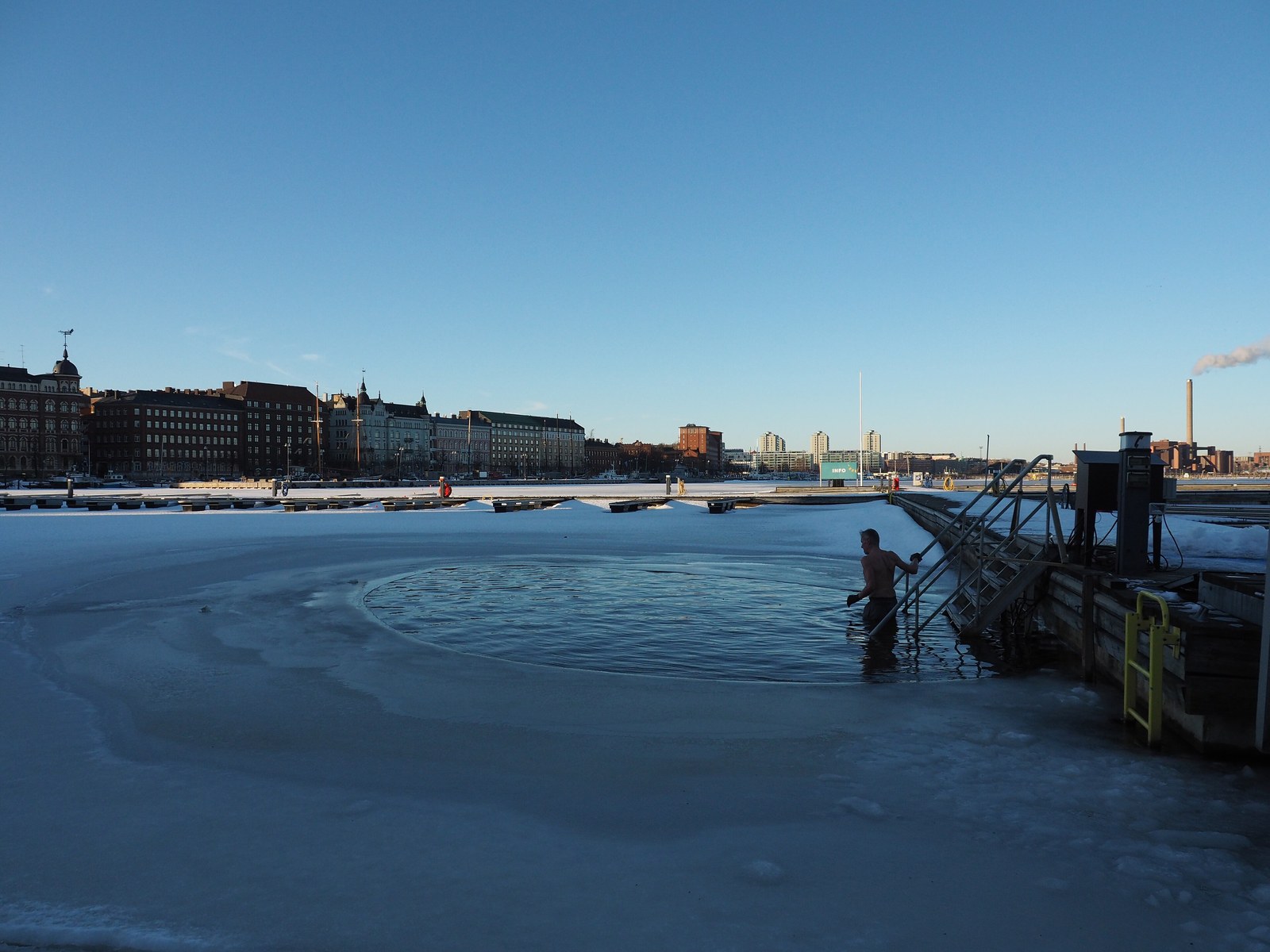
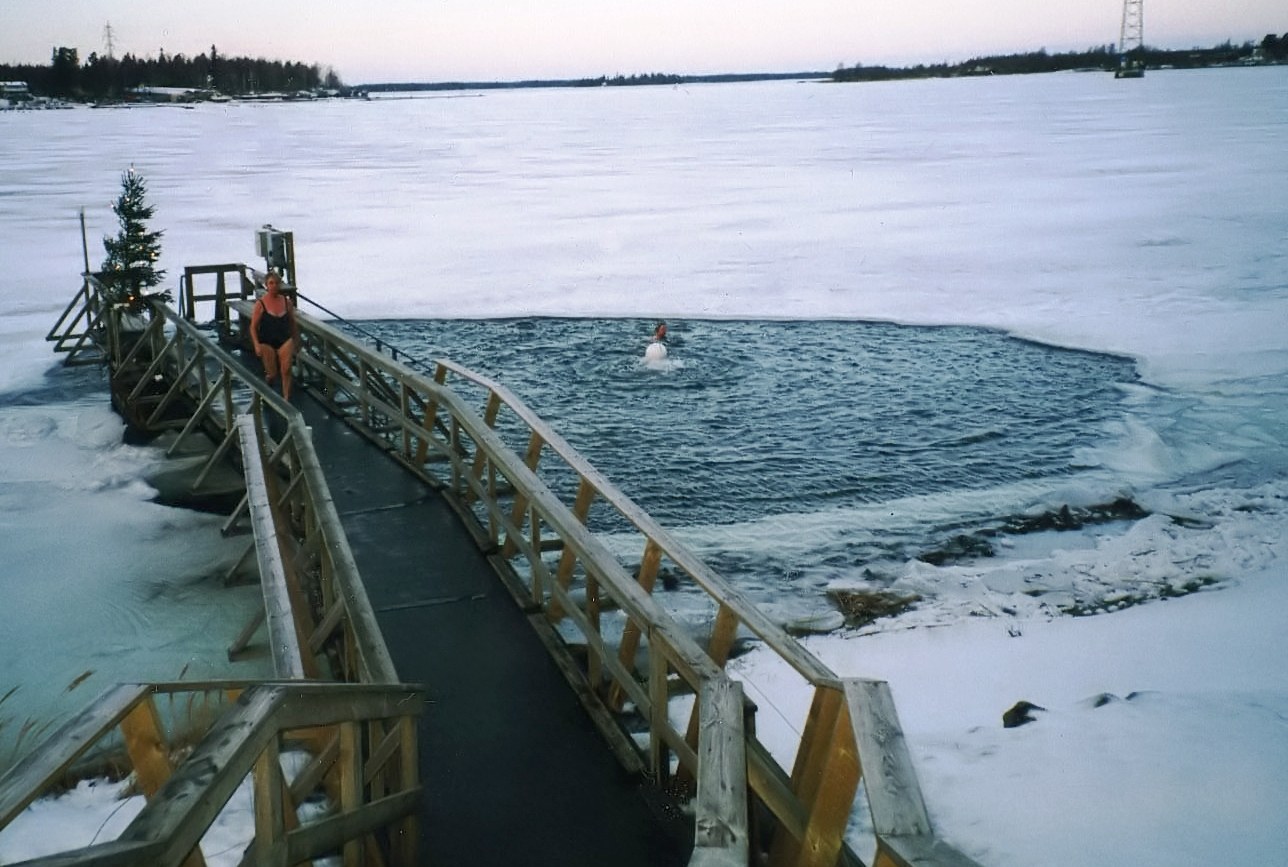
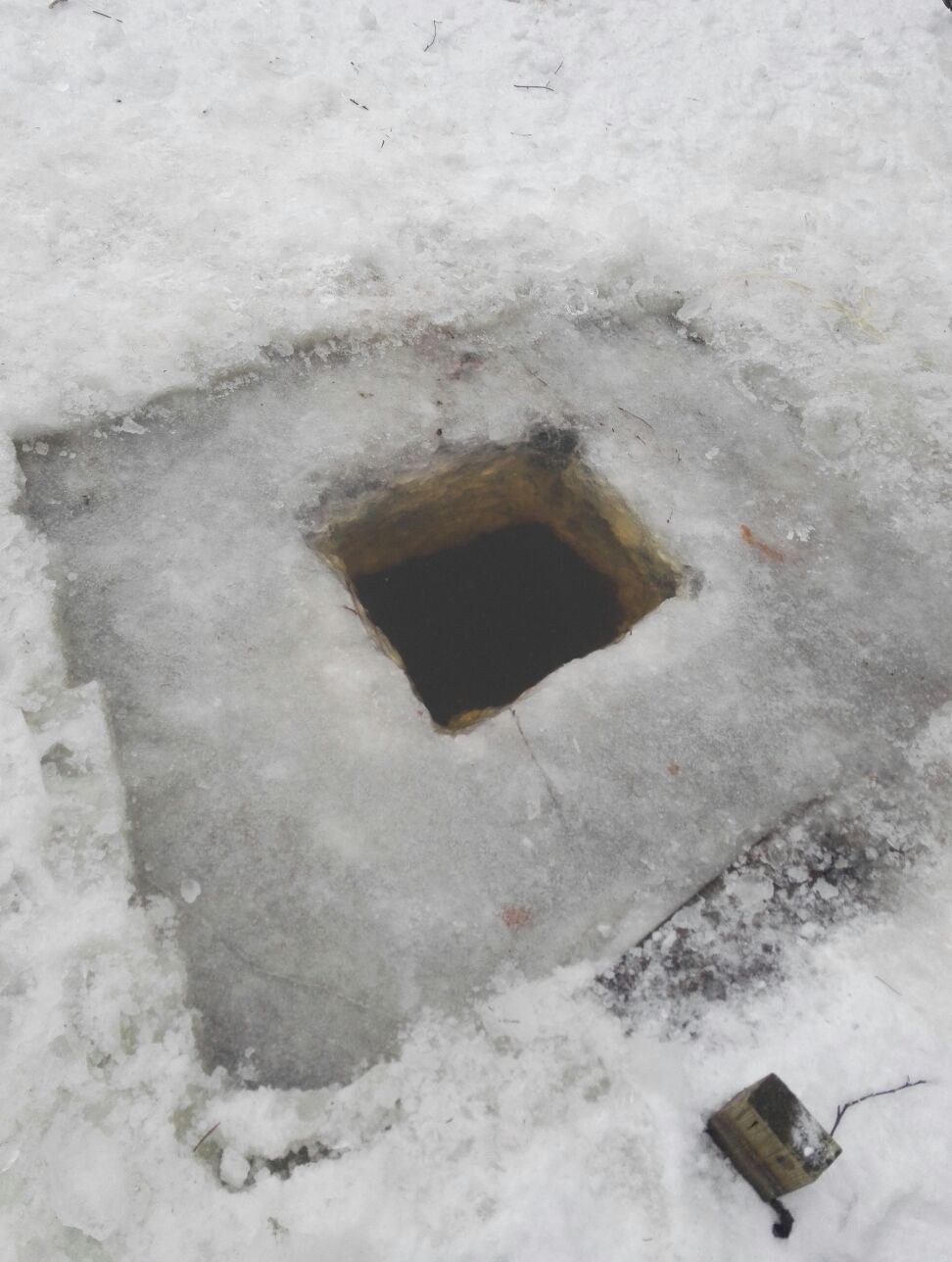
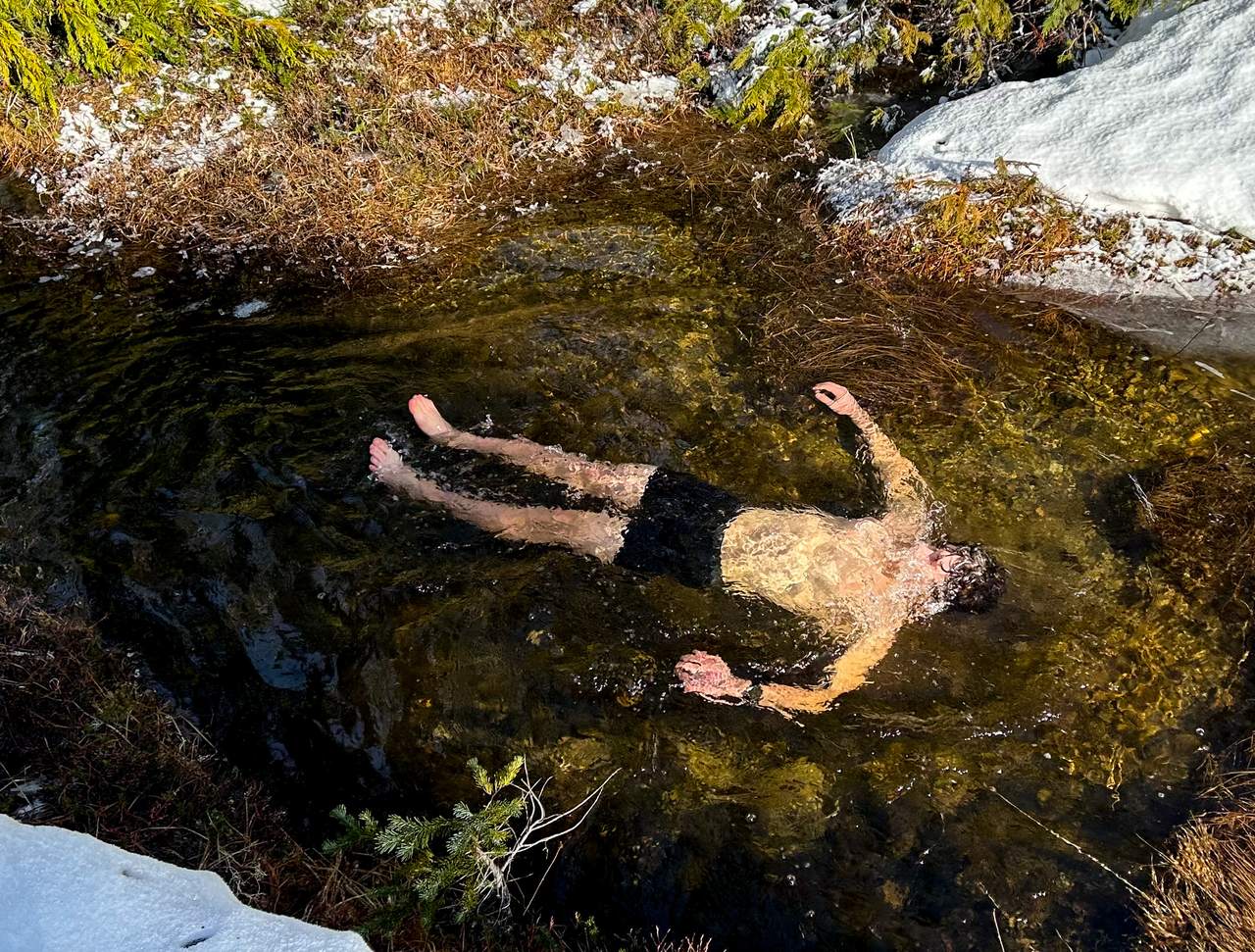
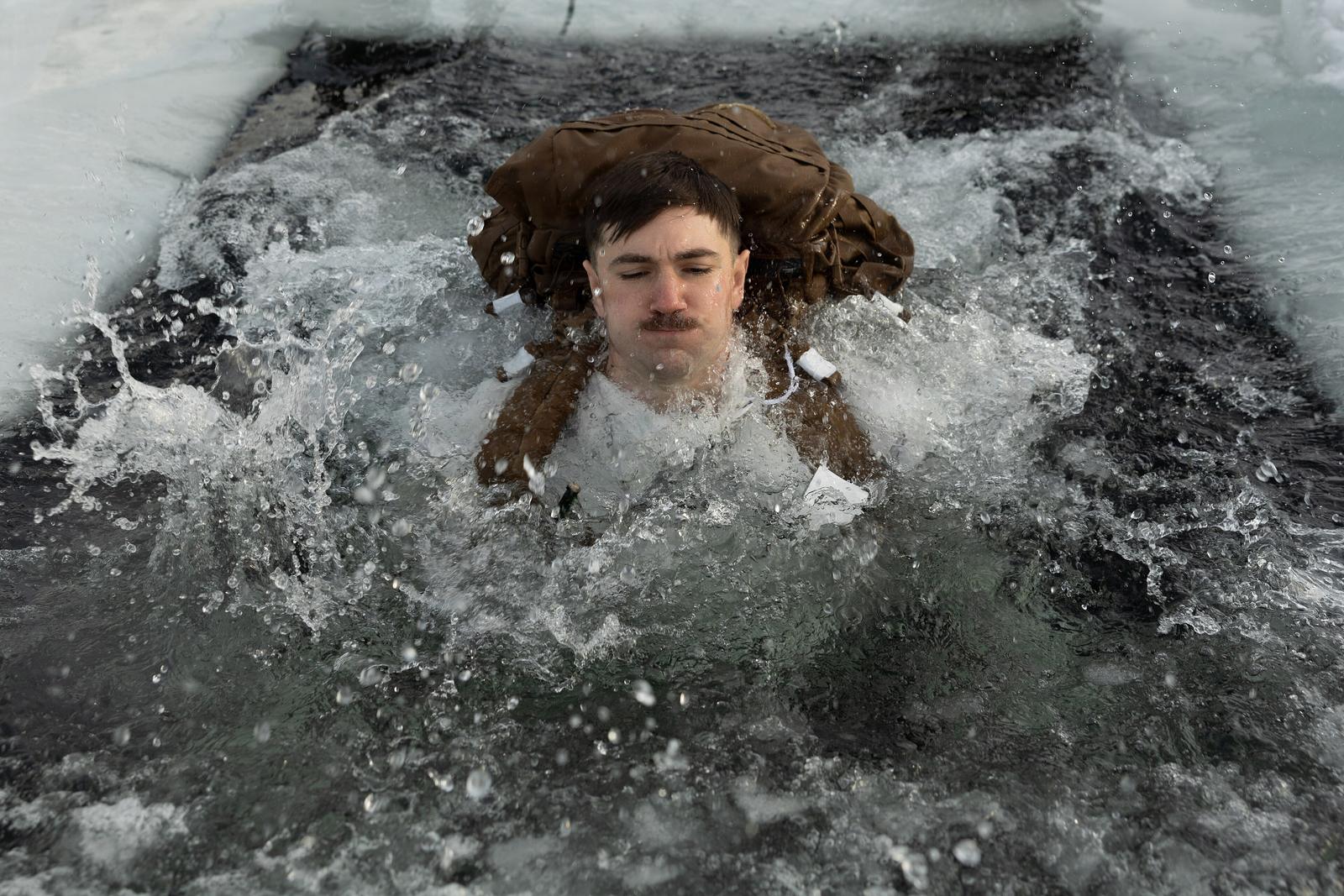
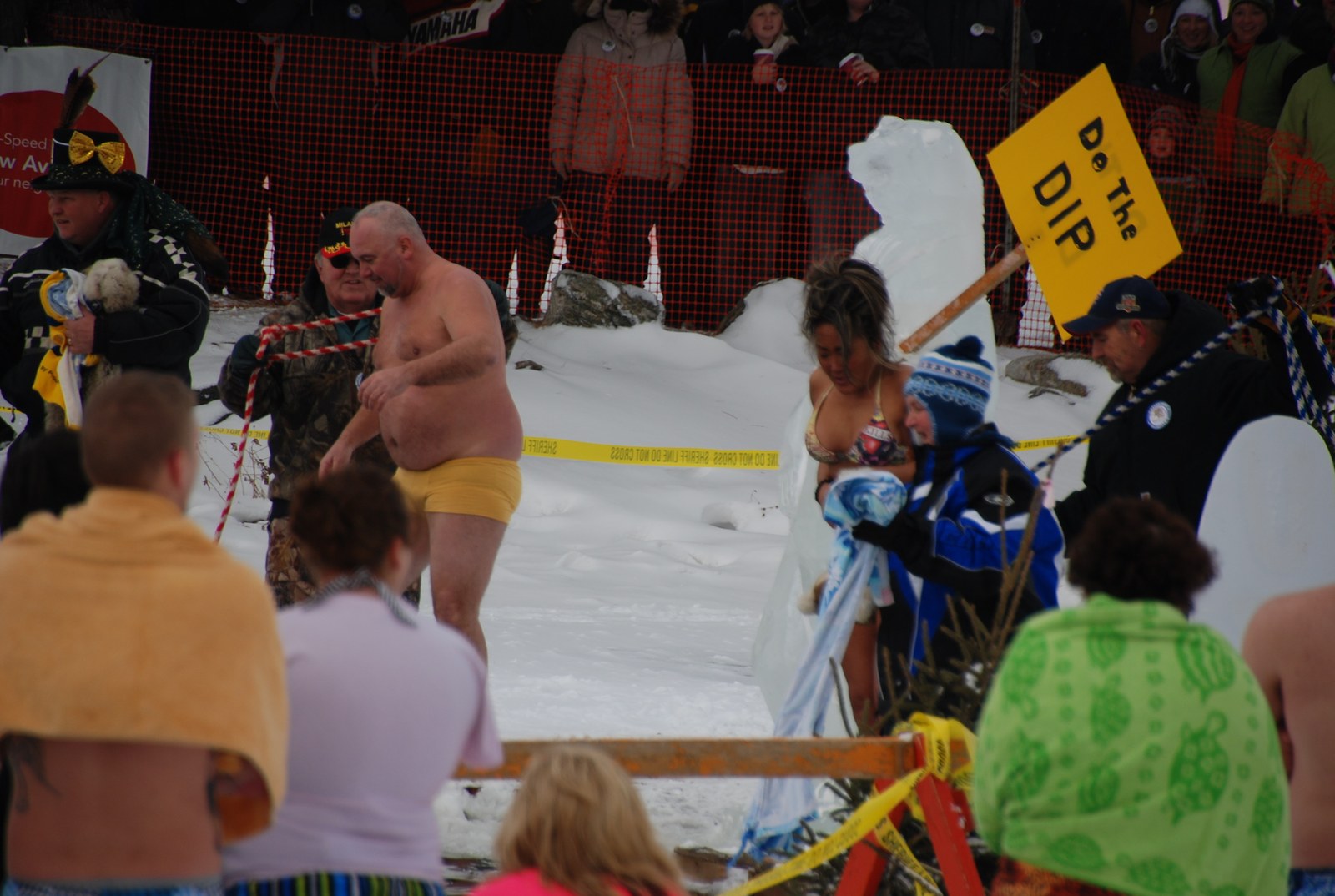
A cold plunge is sitting or standing in cold water, usually up to the waist or chest, for seconds to minutes. Athletes use ice baths after training. In Finland and other northern countries, people swim through holes cut in winter ice. Cold showers were the briefest exposure studied: 30 to 90 seconds in the main trial.
Researchers draw the line by temperature. The Cochrane review counted water below 15 °C as cold. A 2025 review in PLOS ONE included baths, plunges and showers at 7 to 15 °C (45 to 59 °F). Immersions lasted from 30 seconds to two hours.
Supporters describe cold water as a way to calm inflammation, lift mood and recover faster. Physiologists at the University of Portsmouth reviewed claims like these in 2017. They wrote that for some of them, "the supporting data remain at the level of anecdotal speculation."
What cold water does in the first minutes is well described. Sudden immersion triggers the cold shock response: a gasp, rapid breathing, a faster heart rate and a rise in blood pressure. A 2012 review by Michael Shattock and Michael Tipton in the Journal of Physiology sets out how this works.
What did the studies measure?
Soreness (Moderate). The 2012 Cochrane review pooled 17 trials with 366 people. Soreness was lower than with rest at 24, 48, 72 and 96 hours. Results varied between trials, and most did not watch for side effects. Cold water did no better than warm-water or hot-and-cold immersion. A 2016 meta-analysis of nine trials found cold water "slightly better than passive recovery." In a 2023 update of 44 studies, water temperature did not change the result.
Inflammation in muscle. A 2017 trial took muscle samples from nine active men after leg exercise. Ten minutes in 10 °C water was "no more effective" than 10 minutes of easy cycling at reducing inflammation in the muscle.
Strength training (Moderate). In a 2015 trial, 21 men did strength training twice a week for 12 weeks. After each session, they had either 10 minutes in cold water or 10 minutes of easy cycling. Muscle and strength grew more in the cycling group. A 2021 meta-analysis of eight studies found regular cold immersion lowered strength gains. It found no effect on endurance training. A 2019 trial in 16 men found muscle fiber growth blunted, but strength gains were similar.
Stress, sleep and wellbeing (Early). The 2025 PLOS ONE review pooled 11 trials with 3,177 people. Reported stress was lower 12 hours after immersion, but not at other times. Markers of inflammation rose right after immersion and an hour later. Sleep quality improved in one small study. Of the 3,177 people, 3,018 came from one cold-shower trial. The other studies enrolled only men.
Cold showers. That 2016 trial in the Netherlands enrolled 3,018 adults. Their warm showers ended with 30, 60 or 90 seconds of cold water. They did this daily for 30 days. Self-reported sickness absence from work fell 29 percent compared with the control group. The number of days people were ill did not change.
Where do the claims go past the studies?
Cold plunges are often sold as a recovery tool for anyone who trains. The trials support less soreness. One trial in nine men found no better effect on muscle inflammation than easy cycling. For people training for strength, several trials found smaller gains.
Claims about mood and depression rest on very little. One case report describes a woman whose depression eased with weekly open-water swimming (BMJ Case Reports, 2018). A 2023 brain-scan study measured 33 adults before and after five minutes in 20 °C (68 °F) water. They reported feeling more alert and less distressed. That study had no separate control group.
Claims about immunity go further than the trials. A 2014 trial trained 12 healthy volunteers in cold exposure, breathing and meditation together, against 12 untrained controls. Afterwards, their immune response to an injected bacterial toxin was dampened. Cold's share cannot be separated from the rest. The shower trial found less time off work, not less illness.
What did the studies use?
These are the protocols the trials ran, reported here, not suggested.
- Soreness trials: mostly 10 to 15 °C (50 to 59 °F). Continuous immersions lasted 5 to 24 minutes, 12.6 minutes on average, after exercise.
- The 2015 strength trial: 10 °C (50 °F) for 10 minutes, legs in to the waist. Immersion began within five minutes of each session.
- The shower trial: the coldest tap water, 10 to 12 °C (50 to 54 °F). It ran for 30 to 90 seconds at the end of a warm shower.
- The 2025 review: 7 to 15 °C, at least chest-deep for the baths.
- A 2019 strength trial: 10 °C for 15 minutes after each session, three times a week for seven weeks.
- A 2017 inflammation trial: 10 °C for 10 minutes after one bout of leg exercise.
- The people: healthy adults. Apart from the large shower trial, which took adults aged 18 to 65, most trials enrolled young men. Trials excluded people with chronic illness or serious heart or lung disease.
What do the warnings say?
A 2017 review by University of Portsmouth physiologists describes cold water immersion as a precursor to drowning, cardiac arrest and hypothermia. The National Center for Cold Water Safety reports a study in 5 °C (41 °F) water. Average breath-holding fell from 45 to 9.5 seconds. Shattock and Tipton report heart rhythm disturbances in about 2 percent of head-out immersions. With the face under water and the breath held, the figure was 62 to 82 percent. Harvard Health reports that cold plunges are not advisable after heart disease, including rhythm problems such as atrial fibrillation. It adds peripheral artery disease and Raynaud's. The British Heart Foundation says people with a heart condition should talk to a doctor or nurse first. The CDC lists signs of hypothermia: shivering, exhaustion, confusion, fumbling hands, slurred speech and drowsiness.
Questions to Ask Your Doctor
- With my heart condition or blood pressure, is sudden cold-water immersion safe for me?
- Could the cold shock response trigger my heart rhythm problem?
- I have Raynaud's or poor circulation in my legs. Does that rule out cold plunges?
- Could any of my medicines change how my body handles cold water?
- Would cold-water immersion affect my recovery from an injury or surgery?
Questions People Ask
Is a cold shower the same as a cold plunge?
The studies treat them separately. The 2025 review required baths to reach at least chest level, and only one of its trials used showers. In the Dutch shower trial, 79 percent of people finished the 30 days. The most common side effect was a cold feeling that lasted afterwards, in the body or in the hands and feet.
Is the 1-10-1 rule reliable?
The rule says a person in cold water has one minute to control breathing and ten minutes of useful movement. It gives an hour before hypothermia causes unconsciousness. The National Center for Cold Water Safety calls it misleading. It says breathing control can take longer, strength fades from the start, and people drown long before hypothermia sets in.
Is cold water safe in pregnancy?
According to the University of Portsmouth's 2025 summary of its review, researchers found only six published studies. Their consensus advice was that only women who swam in cold water regularly before pregnancy continue. They also advised never swimming alone, and avoiding it with high or very low blood pressure. Their main finding was the lack of evidence.
Does a cold plunge burn fat?
Cold raises energy use while it lasts. In a 2000 lab study, young men sat in 14 °C (57 °F) water for an hour. Their metabolic rate rose 350 percent. A 2021 study compared seven or eight experienced winter-swimming men with eight non-swimmers. In the cold, the swimmers' heat production rose more, but their brown fat took up glucose about the same. The authors could not conclude that winter swimming caused the differences.
Pictures and credits
In pictures





Where this comes from
Sources
- Bleakley C, McDonough S, Gardner E, et al. Cold-water immersion (cryotherapy) for preventing and treating muscle soreness after exercise. Cochrane Database of Systematic Reviews, 2012. 17 trials, 366 people, water below 15 C: less soreness than rest at 24-96 h, low quality; no better than warm or contrast immersion; protocols mostly 10-15 C, continuous 5-24 min, mean 12.6 min
- Cain T, Brinsley J, Bennett H, et al. Effects of cold-water immersion on health and wellbeing: a systematic review and meta-analysis. PLOS ONE, 2025. 11 trials, 3,177 people, 7-15 C: stress lower at 12 h, inflammation up immediately and at 1 h, sleep improved in one study; 3,018 from one shower trial, others all male; excluded chronic illness
- Machado AF, Ferreira PH, Micheletti JK, et al. Can water temperature and immersion time influence the effect of cold water immersion on muscle soreness? A systematic review and meta-analysis. Sports Medicine, 2016. 9 trials: cold water slightly better than passive recovery
- Batista NP, de Carvalho FA, Machado AF, et al. What parameters influence the effect of cold-water immersion on muscle soreness? An updated systematic review and meta-analysis. Clinical Journal of Sport Medicine, 2023. 44 studies: water temperature did not change the result
- Malta ES, Dutra YM, Broatch JR, et al. The effects of regular cold-water immersion use on training-induced changes in strength and endurance performance: a systematic review with meta-analysis. Sports Medicine, 2021. 8 studies: regular cold immersion lowered strength gains; no effect on endurance training
- Roberts LA, Raastad T, Markworth JF, et al. Post-exercise cold water immersion attenuates acute anabolic signalling and long-term adaptations in muscle to strength training. Journal of Physiology, 2015. 21 men, 12 weeks, twice a week: 10 min at 10.1 C to the waist within 5 min of each session; smaller muscle and strength gains than easy cycling
- Fyfe JJ, Broatch JR, Trewin AJ, et al. Cold water immersion attenuates anabolic signaling and skeletal muscle fiber hypertrophy, but not strength gain, following whole-body resistance training. Journal of Applied Physiology, 2019. 16 men: fiber growth blunted, strength gains similar
- Peake JM, Roberts LA, Figueiredo VC, et al. The effects of cold water immersion and active recovery on inflammation and cell stress responses in human skeletal muscle after resistance exercise. Journal of Physiology, 2017. 9 men: 10 min at 10 C no more effective than 10 min easy cycling for muscle inflammation
- Buijze GA, Sierevelt IN, van der Heijden BC, et al. The effect of cold showering on health and work: a randomized controlled trial. PLOS ONE, 2016. 3,018 adults, 30/60/90 s cold at the end of a warm shower for 30 days, tap water 10-12 C: sickness absence -29%, days ill unchanged; 79% completed; lasting cold the most common side effect
- Shattock MJ, Tipton MJ. 'Autonomic conflict': a different way to die during cold water immersion? Journal of Physiology, 2012. cold shock response; arrhythmias in about 2% of head-out immersions and 62-82% of submersions with breath-holding
- Tipton MJ, Collier N, Massey H, et al. Cold water immersion: kill or cure? Experimental Physiology, 2017. for some claimed benefits the supporting data remain anecdotal speculation
- National Center for Cold Water Safety. Cold Shock. National Center for Cold Water Safety. in 5 C water average breath-hold fell from 45 to 9.5 seconds
- National Center for Cold Water Safety. The 1-10-1 Myth. National Center for Cold Water Safety. the 1-10-1 principle and why the center calls it misleading
- Corliss J. Cold plunges: Healthy or harmful for your heart? Harvard Health Publishing, 2025. not advisable after heart disease, including rhythm disorders such as atrial fibrillation; peripheral artery disease and Raynaud's
- MacArthur C. Cold water swimming: is it bad for your heart? British Heart Foundation, 2023. cold shock raises heart rate and blood pressure; people with a heart condition talk to a doctor or nurse first
- Centers for Disease Control and Prevention. Recognizing Hypothermia. CDC. signs of hypothermia
- University of Portsmouth. Is it safe to swim outdoors during pregnancy? New study opening doors to find out. University of Portsmouth, 2025. six published studies; consensus advice for pregnancy; lack of evidence the main finding
- van Tulleken C, Tipton M, Massey H, Harper CM. Open water swimming as a treatment for major depressive disorder. BMJ Case Reports, 2018. a single case report
- Yankouskaya A, Williamson R, Stacey C, et al. Short-term head-out whole-body cold-water immersion facilitates positive affect and increases interaction between large-scale brain networks. Biology (Basel), 2023. 33 adults, 5 min at 20 C, before and after, no separate control group
- Kox M, van Eijk LT, Zwaag J, et al. Voluntary activation of the sympathetic nervous system and attenuation of the innate immune response in humans. PNAS, 2014. cold exposure combined with breathing and meditation; immune response to injected endotoxin dampened
- Sramek P, Simeckova M, Jansky L, et al. Human physiological responses to immersion into water of different temperatures. European Journal of Applied Physiology, 2000. 1 h at 14 C: metabolic rate +350%
- Soberg S, Lofgren J, Philipsen FE, et al. Altered brown fat thermoregulation and enhanced cold-induced thermogenesis in young, healthy, winter-swimming men. Cell Reports Medicine, 2021. winter swimmers against eight non-swimmers; cannot conclude winter swimming caused the differences
The Healing Spot reports published research for general information. It is not medical advice and does not replace a doctor, who knows your history. Talk to a qualified clinician before you start, stop or change any treatment, supplement or practice. If you think you may have a medical emergency, call 911 or your local emergency number.